
Living with lumbar herniated disc pain can become exhausting when every new treatment begins with hope and ends with the same leg pain, numbness, sleep disruption, or limits on work and exercise. You may have rested, taken medication, completed physical therapy, tried injections, changed your workstation, or received chiropractic care. When symptoms remain, it is understandable to conclude that nothing has worked and surgery must be the only option left.
That conclusion may be premature—but persistent symptoms should not be minimized. A lumbar disc herniation can irritate a nerve through a combination of mechanical pressure, inflammation, and sensitivity in the surrounding tissues. The original diagnosis may still be correct, but the treatment dose, exercise selection, daily loading, recovery time, or contributing condition may need to be reconsidered. In other cases, worsening weakness or changes in bowel, bladder, or saddle sensation mean conservative care should stop and urgent medical evaluation should begin.
The next step is not to repeat every treatment in the same way. It is to re-evaluate the diagnosis, neurological status, treatment history, current function, and goals. Woodlands Family Chiropractic offers conservative spine evaluations and lists Cox Decompression among its services. Cox® Flexion-Distraction may be one option when clinically appropriate, but it is not a guaranteed solution and certification language should not be used unless independently verified.
Persistent lumbar disc pain deserves a fresh evaluation.
Schedule a comprehensive spine evaluation to review your diagnosis, neurological findings, previous treatment, activity demands, and whether a revised conservative plan, medical co-management, or surgical consultation is appropriate.
schedule a spine evaluationWhen Back Pain Doesn't Improve
Why Persistent Pain Can Be Frustrating
Persistent disc-related pain affects more than the lower back. It can change how you sit, walk, sleep, drive, work, lift, exercise, and plan family activities. Repeated setbacks can also create fear of movement. People may avoid bending, walking, or strengthening because they worry that pain means the disc is being damaged again. That fear can reduce activity tolerance and make recovery harder even when the spine is stable enough for gradual movement.
Frustration often increases when different providers give conflicting explanations. One may focus on the MRI, another on posture, another on core strength, and another on inflammation. These factors are not mutually exclusive. Disc-related symptoms can be influenced by anatomy, nerve irritation, loading, movement, sleep, stress, general health, and time. A useful plan identifies which factors appear most relevant now rather than assuming the original treatment must be repeated indefinitely.
Lower back pain treatment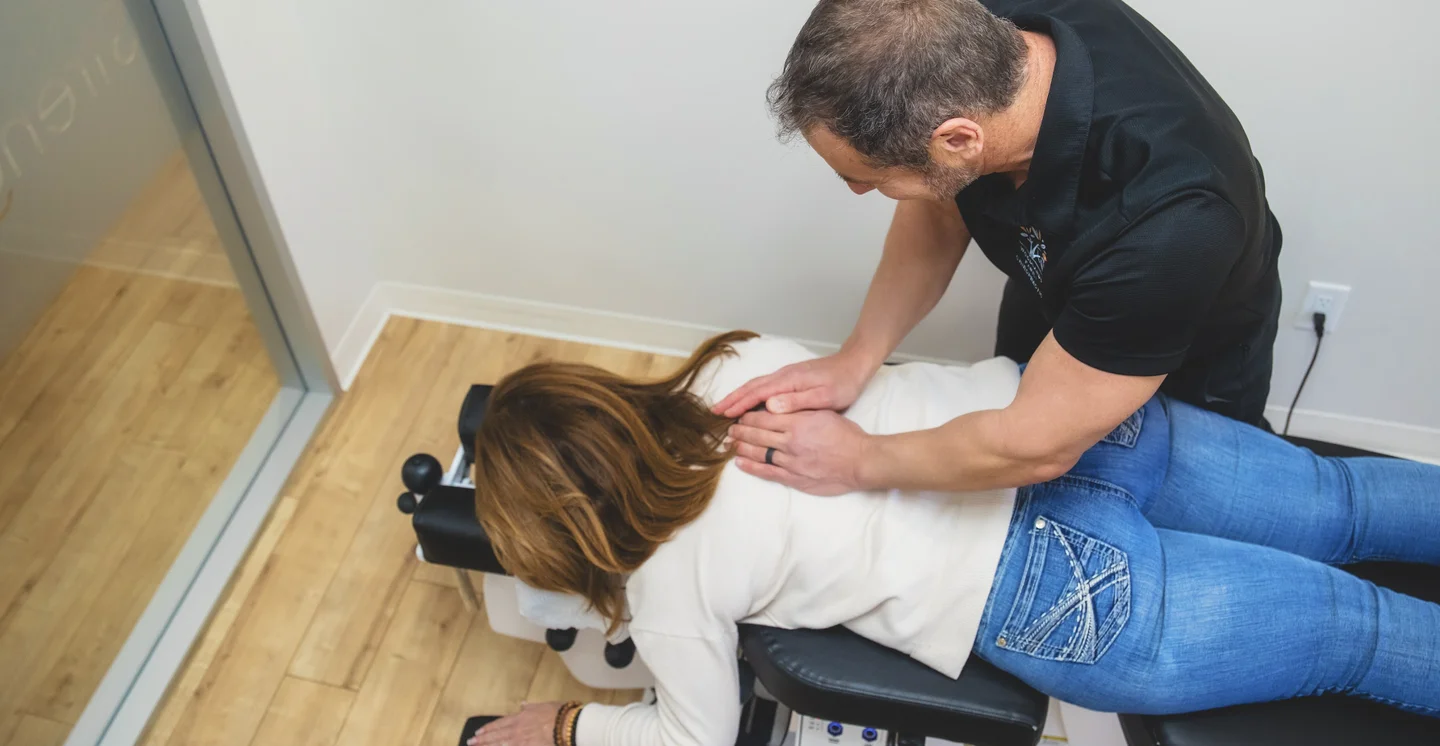
Why “Nothing Has Worked” May Not Tell the Whole Story
A treatment can fail for several reasons. The diagnosis may have been incomplete. The exercise may have been appropriate but progressed too quickly or too slowly. A medication may have reduced pain without improving capacity. An injection may have provided temporary relief but not addressed activity tolerance. Manual care may have been too aggressive, too general, or not paired with rehabilitation. The patient may also have improved in walking or sleep without reaching the hoped-for pain level, making partial progress easy to overlook.
Failed treatment does not automatically mean failed recovery. It means the next clinician should ask what changed, what did not, how long the treatment was tried, whether symptoms centralized or spread, whether strength and sensation changed, and whether the plan matched the actual diagnosis.
Understanding Lumbar Herniated Disc Pain
What Happens During a Disc Herniation?
Spinal discs sit between the vertebrae and help distribute load. Each disc has a softer inner material surrounded by a tougher outer ring. A herniation occurs when inner disc material extends through a weakened or torn portion of the outer ring. The herniated material may contact or inflame a nearby nerve root, producing pain that travels into the buttock, thigh, calf, or foot. Some people also experience numbness, tingling, weakness, or changes in reflexes.
Imaging alone does not determine whether a disc is causing symptoms. Disc bulges and herniations can be present in people without pain. Clinical correlation matters: the distribution of symptoms, neurological findings, symptom behavior, and imaging should tell a consistent story.
Why Symptoms Can Persist
Symptoms may continue because the nerve remains inflamed, the mechanical environment repeatedly aggravates it, or neurological recovery is slower than pain recovery. A large flare can also lead to guarding, reduced walking, loss of strength, poor sleep, and heightened sensitivity. Even when the herniated material begins to shrink, the nerve and surrounding tissues may remain irritable for a period of time.
Persistent symptoms can also reflect another condition, such as spinal stenosis, facet-joint pain, sacroiliac pain, hip pathology, peripheral neuropathy, vascular problems, or a non-musculoskeletal disease. That is why a new evaluation is important when the expected recovery pattern does not occur.
pinched nerve treatment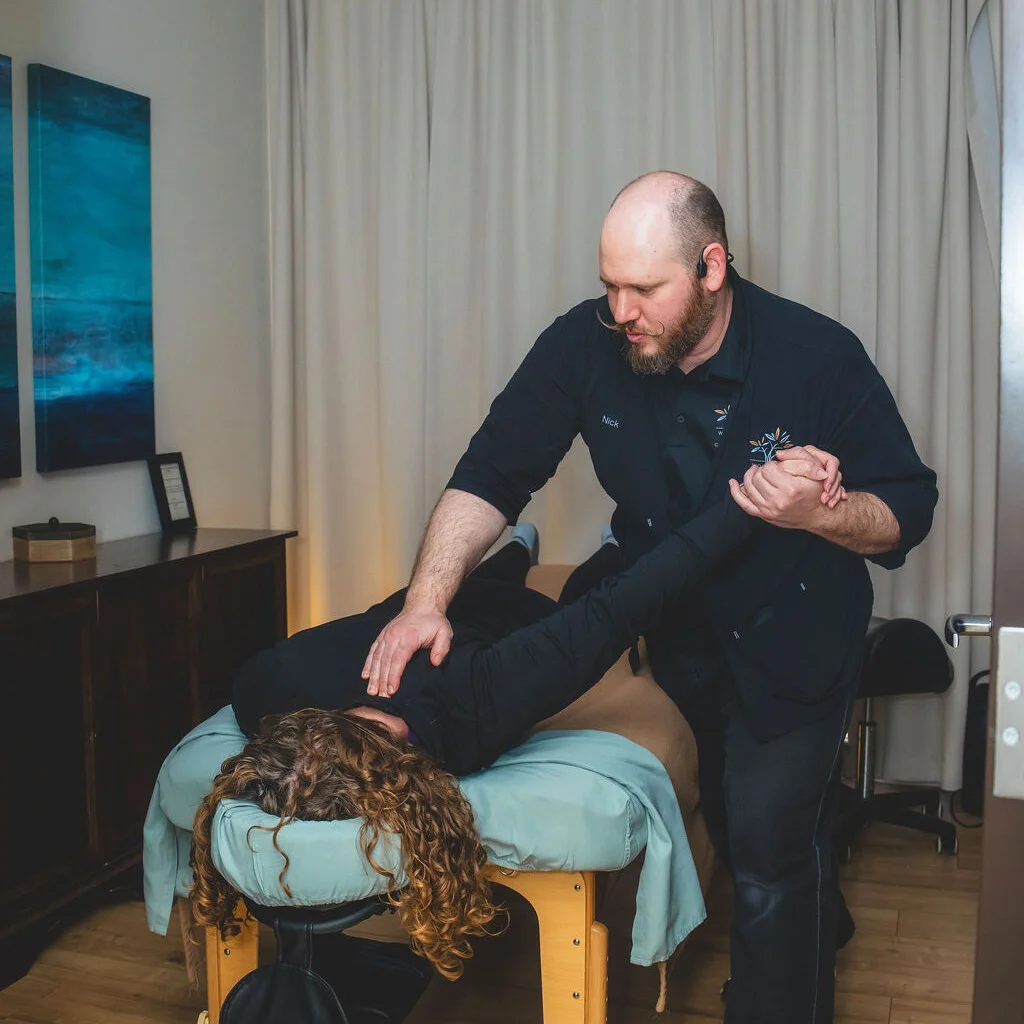
Mechanical vs. Inflammatory Pain
Mechanical symptoms change with position, movement, loading, or activity. Inflammatory nerve-root irritation may produce burning, electric, or radiating pain and can remain sensitive even when mechanical pressure is modest. Most real cases involve both. Treatment may need to address movement and loading while the medical team considers inflammation, medication, or injection options when appropriate.
herniated disc treatmentWhy Some Treatments Don't Work for Everyone
Rest Alone
A short period of relative rest may calm a severe flare, but prolonged inactivity can reduce strength, endurance, confidence, and tolerance for normal movement. Most patients need a gradual return to activity rather than complete avoidance. The challenge is finding a level that does not repeatedly provoke severe leg symptoms or neurological change.
Pain Medication
Medication can reduce pain and inflammation, improve sleep, and make activity more manageable. It does not mechanically change a herniation or automatically restore strength. Medication response also varies, and side effects or health conditions can limit options. Medication decisions belong with the prescribing clinician and should be integrated with functional rehabilitation rather than treated as the entire recovery plan.
Physical Therapy
Physical therapy is not one uniform treatment. Programs may emphasize extension, flexion, stabilization, walking, nerve mobility, manual therapy, strength, or general conditioning. A program can be poorly matched to symptom direction, progressed at the wrong rate, or limited by severe irritability. If therapy did not help, the useful question is not whether “PT works,” but which methods were tried, how symptoms responded, and what objective changes occurred.
Epidural Steroid Injections
An epidural injection may reduce inflammation around an irritated nerve and provide a window for movement and rehabilitation. Relief may be substantial, temporary, or minimal. Lack of response does not prove that surgery is required, but it should prompt review of the diagnosis, injection level, imaging, and other options. Repeated procedures should have a clear rationale and be coordinated with the treating physician.
Traditional Chiropractic Care
Chiropractic care can include high-velocity adjustments, mobilization, flexion-distraction, soft-tissue methods, exercise, and education. A patient who did not improve with one style has not necessarily tried every conservative method. At the same time, changing techniques repeatedly without reassessment is not a strategy. The clinician must determine whether manual care is appropriate, whether a lower-force approach is preferable, and whether neurological findings require referral.
Activity Modification
Avoiding the single movement that triggers a flare may be useful temporarily. Avoiding every bend, lift, walk, or exercise can create deconditioning. Activity modification should reduce excessive exposure while preserving safe movement and gradually rebuilding capacity. It should evolve as symptoms change.
The Importance of Re-Evaluation
Has the Diagnosis Changed?
Symptoms can evolve. Pain that was initially local may become radicular. Leg pain may improve while numbness remains. A new hip or vascular problem may mimic sciatica. Re-evaluation asks whether the current diagnosis still fits, whether the level and side of symptoms remain consistent, and whether another condition has become more important.
sciatica treatmentAre Other Conditions Contributing?
Spinal stenosis, degenerative changes, facet irritation, sacroiliac dysfunction, hip arthritis, peripheral nerve entrapment, diabetes-related neuropathy, and deconditioning can complicate recovery. Sleep, smoking, stress, work demands, and fear of movement may also influence pain and function. These factors do not mean symptoms are imaginary; they help explain why a disc-focused plan alone may be incomplete.
Has Nerve Function Changed?
Strength, reflexes, sensation, walking, heel and toe raises, and bowel or bladder function are more important than pain intensity alone. Progressive weakness, foot drop, worsening numbness, or loss of coordination changes the urgency of care. Stable neurological findings may support continued conservative treatment, while deterioration warrants prompt medical or surgical assessment.
Is Additional Imaging Needed?
A repeat MRI is not automatically necessary because pain persists. Imaging may be useful when symptoms change, neurological deficits develop, surgery or injection is being considered, the original scan is outdated, or the diagnosis no longer fits. Imaging should answer a clinical question, not simply confirm that a previously known disc abnormality still exists.
Bring your treatment history
For a productive re-evaluation, bring prior imaging reports, medication and injection history, therapy or exercise notes, and a clear description of what improved, worsened, or stayed the same. This helps prevent repeating ineffective care without learning from it.
herniated disc treatmentConservative Treatment Options That May Still Help
Cox® Flexion-Distraction Therapy
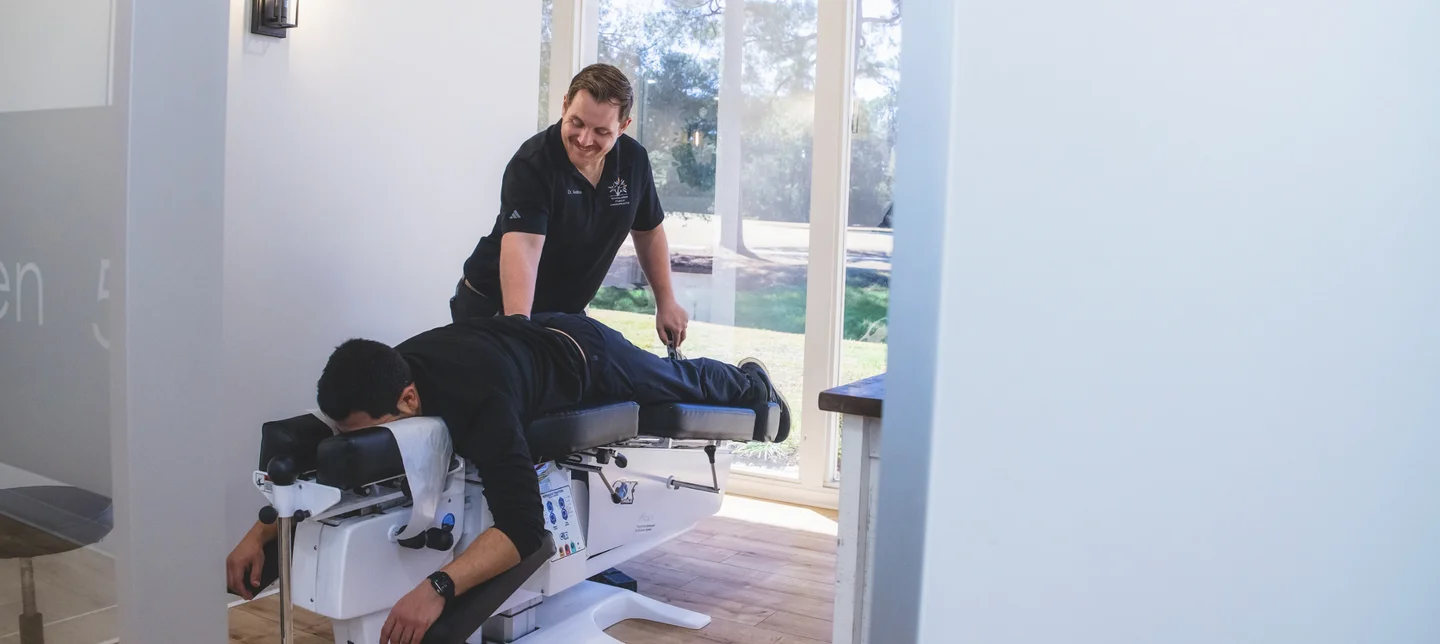
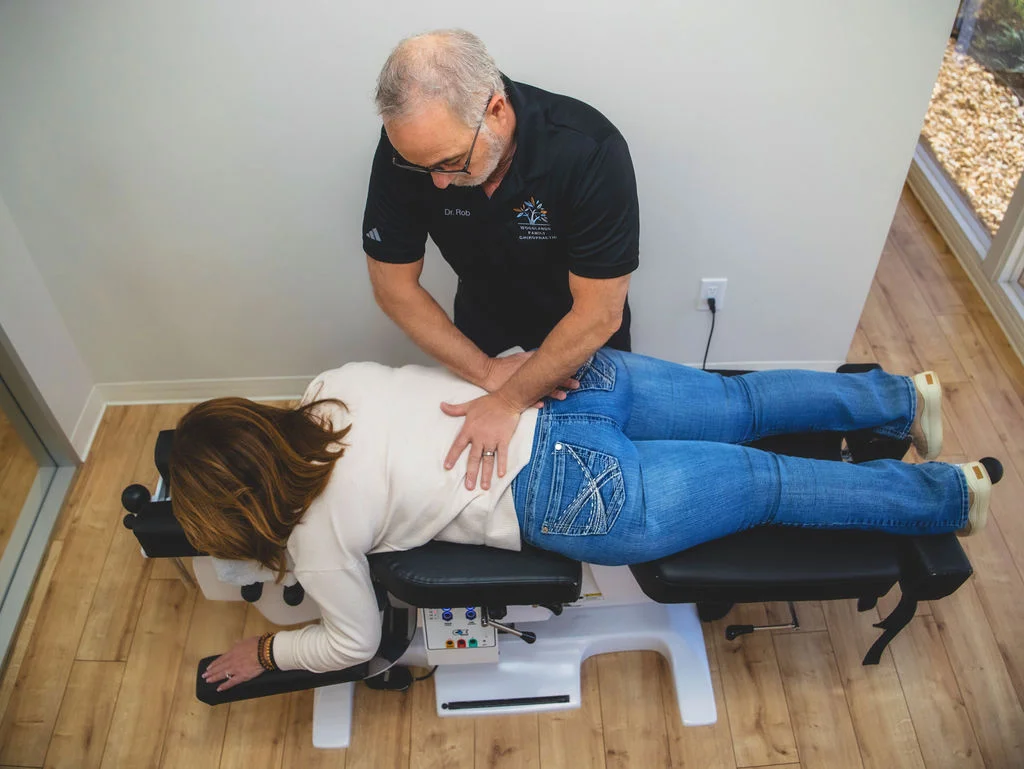
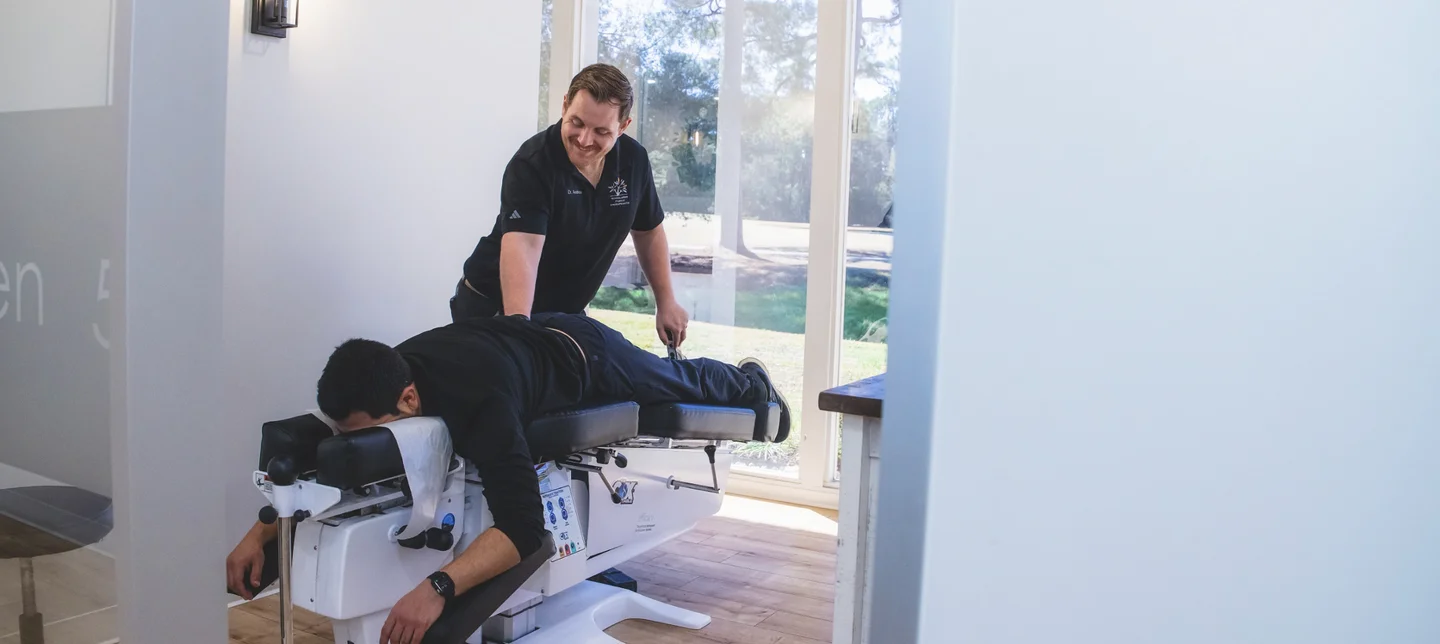
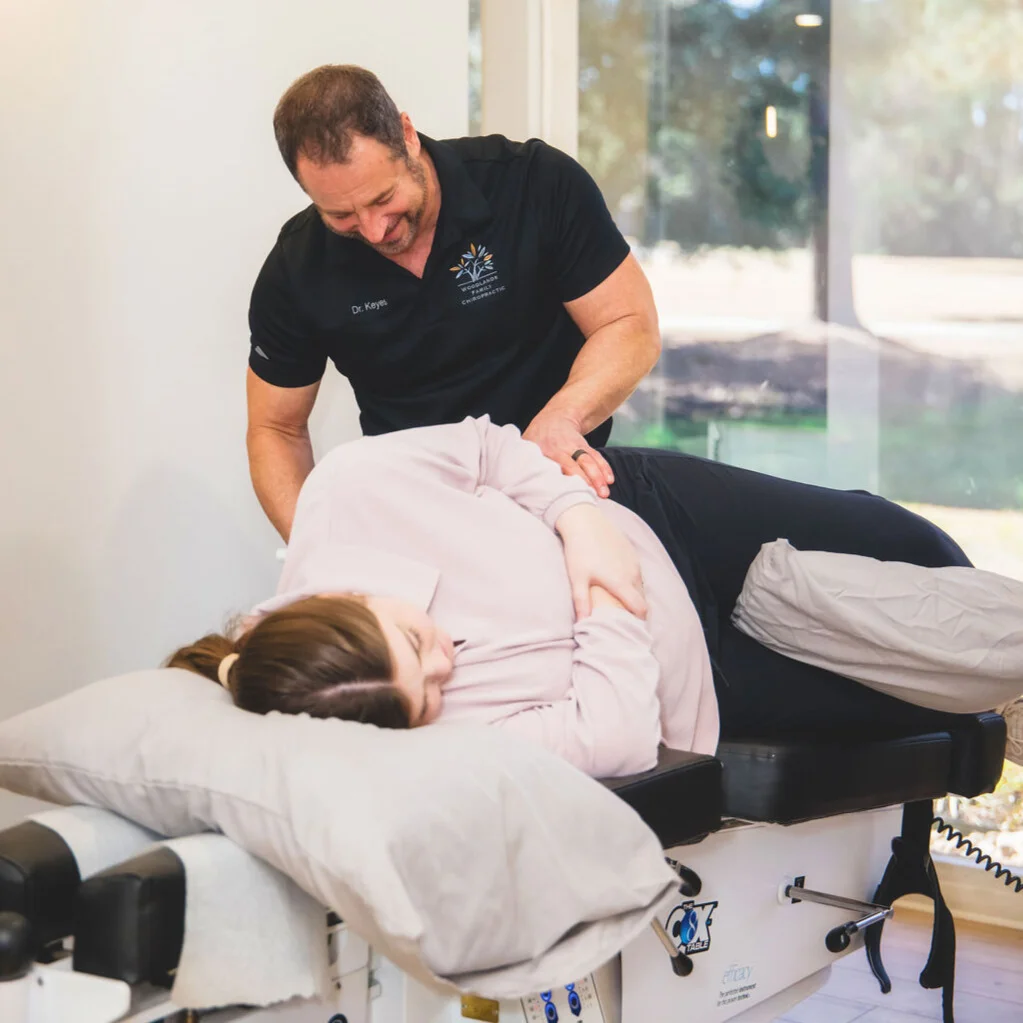
Cox Flexion-Distraction is a clinician-controlled, low-force technique performed on a specialized segmented table. The doctor applies a contact near the involved spinal level while guiding the table through slow flexion and distraction. Biomechanical research has reported changes in intradiscal pressure, joint motion, and foraminal dimensions under studied conditions. Clinical studies suggest that flexion-distraction may be a reasonable option for selected low-back-pain and radiculopathy patients, but the evidence does not support a guarantee that it will eliminate symptoms, reverse a disc, or prevent surgery.
WFC utilizes Cox Decompression however, the technique should be selected after screening for contraindications and should be paired with measurable goals and active rehabilitation.
spinal decompressionChiropractic Adjustments
Selected joint mobilization or adjustment may help mechanical stiffness and movement tolerance when neurological status is stable. Technique, force, and position should be individualized. High-force manipulation may not be the best choice during an irritable radicular episode, and any increase in radiating pain, numbness, or weakness should trigger reassessment.
chiropractic adjustmentsCorrective Exercises
Exercise should be based on symptom response and functional needs. Early goals may include comfortable walking, trunk endurance, hip mobility, breathing, and movement confidence. Later goals may address lifting, work tolerance, running, or sport. Exercises that repeatedly worsen distal leg symptoms may need to be modified rather than pushed through.
corrective exercisesFunctional Rehabilitation
Functional rehabilitation connects clinic gains to daily life. It may include graded sitting, driving, stair use, carrying, squatting, lifting, balance, or job-specific tasks. The objective is not perfect posture. It is greater capacity with less fear and fewer severe flares.
Home Care Strategies
Useful home strategies may include brief movement breaks, pacing, sleep positioning, heat or cold according to preference, a walking plan, and a small number of targeted exercises. A long list of generic stretches can be harder to follow and may irritate symptoms. Home care should be simple enough to perform consistently and specific enough to produce useful feedback.
Lifestyle Modifications
Smoking cessation, sleep, general activity, nutrition, weight management when relevant, and stress management can influence recovery and surgical risk. These are not moral judgments or instant fixes. They are modifiable factors that may improve tissue health, pain tolerance, and rehabilitation capacity over time.
When Surgery May Be Appropriate
Progressive Neurological Deficits
Progressive motor weakness, worsening foot drop, loss of reflexes with functional decline, or increasing numbness deserves prompt medical assessment. Waiting indefinitely for conservative care to work can risk permanent nerve impairment in selected cases.
Cauda Equina Syndrome
New bowel or bladder dysfunction, difficulty urinating despite a full bladder, saddle numbness, or rapidly increasing bilateral leg symptoms may indicate cauda equina syndrome. This is a medical emergency and may require urgent surgery.
Severe Weakness
Significant weakness that affects walking, standing, lifting the foot, or controlling the leg may justify expedited surgical consultation even when pain is tolerable. Strength loss is not something to monitor casually without professional assessment.
Persistent Symptoms Despite Appropriate Care
Surgery may be considered when disabling leg pain and functional loss remain after a reasonable, diagnosis-appropriate conservative trial. The decision depends on symptom duration, neurological findings, imaging correlation, work and life impact, health risks, and patient preferences. Surgery can provide faster relief for selected patients, although long-term comparisons with nonoperative care are more nuanced.
sciatica treatmentShared Decision-Making
The choice is not simply surgery versus chiropractic. Patients may consult primary care, physiatry, neurology, pain management, physical therapy, chiropractic, and spine surgery. A good decision weighs likely benefits, risks, alternatives, timing, recovery demands, and what matters most to the patient.
Seek emergency medical care
Do not wait for a routine appointment if you develop new bowel or bladder dysfunction, saddle numbness, rapidly worsening weakness, severe bilateral symptoms, or loss of coordination. These can indicate cauda equina syndrome or another urgent neurological condition.
Schedule an AppointmentWhat Current Research Suggests
Natural History of Herniated Discs
Many symptomatic lumbar disc herniations improve over time, and imaging studies have documented spontaneous regression or resorption in a substantial proportion of cases. Extruded and sequestered fragments may be especially likely to regress. This does not mean every patient improves quickly or that symptoms should be ignored, but it explains why conservative care is often recommended first when major neurological deficits are absent.
Conservative Care Outcomes
Guideline and consensus reviews generally recommend nonoperative care as the first line for lumbar disc herniation without cauda equina syndrome or serious motor deficit. Activity modification, medication when appropriate, exercise, and selected manual or traction-based therapies can reduce pain and disability for many patients. Evidence quality and treatment protocols vary, so individualized reassessment remains important.
Cox® Flexion-Distraction Research
Research specific to flexion-distraction includes biomechanical studies and clinical comparisons. Findings support plausible effects on spinal motion and loading, and some trials report improvement in pain and disability. The evidence base is smaller and more heterogeneous than broad low-back-pain research. It should be described as supportive but not definitive, and it should not be combined indiscriminately with claims about every device marketed as spinal decompression.
why Cox Flexion-Distraction stands apartRealistic Expectations
- Progress may appear first as improved sleep, walking, sitting tolerance, or reduced leg symptoms rather than zero pain.
- A treatment should have defined goals and scheduled reassessment points.
- Neurological function should remain stable or improve during conservative care.
- No technique can guarantee disc resorption, permanent relief, or avoidance of surgery
- A lack of measurable progress should lead to plan modification, co-management, or referral.
Recovery Is Often Not Linear
Good Days and Bad Days
Disc-related symptoms can fluctuate with sleep, stress, sitting time, travel, lifting, exercise, and inflammation. A temporary flare does not necessarily erase progress. The important pattern is whether flares are becoming less intense, less frequent, and easier to recover from while function improves.
Functional Improvement vs. Complete Pain Relief
Complete pain relief is a meaningful goal, but it is not the only measure of recovery. Being able to walk farther, work a full shift, sleep through the night, reduce medication reliance under medical guidance, or return to exercise may represent important progress even when some symptoms remain.
Long-Term Self-Management
Long-term management may include strength, walking, regular movement, lifting strategies, ergonomic variation, sleep habits, and early response to flares. The aim is not lifelong dependency on passive treatment. It is to build enough capacity and understanding that care can become less frequent and more targeted.
Why Conservative Spine Care Still Matters
When previous treatment has not helped enough, a thoughtful conservative plan can still matter if neurological status is stable and the diagnosis supports it. The plan should be different because it is informed by the earlier failures. It may use another manual method, a new exercise direction, better pacing, medical co-management, or a time-limited trial with clear stopping rules.
Conservative care is not a promise to avoid surgery at all costs. It is a structured attempt to improve function with lower-risk options while protecting the opportunity for timely surgery when indications develop.
A useful conservative trial should also define its boundaries. The patient and clinician should agree on what improvement would look like, how often neurological findings will be checked, which activities should be progressed, and what would trigger imaging or referral. That structure prevents open-ended treatment and gives the patient a clearer way to judge whether the plan is helping. It also makes consultation with another provider easier because the response to care has been documented rather than described only as “better” or “worse.”
Why Choose Woodlands Family Chiropractic?
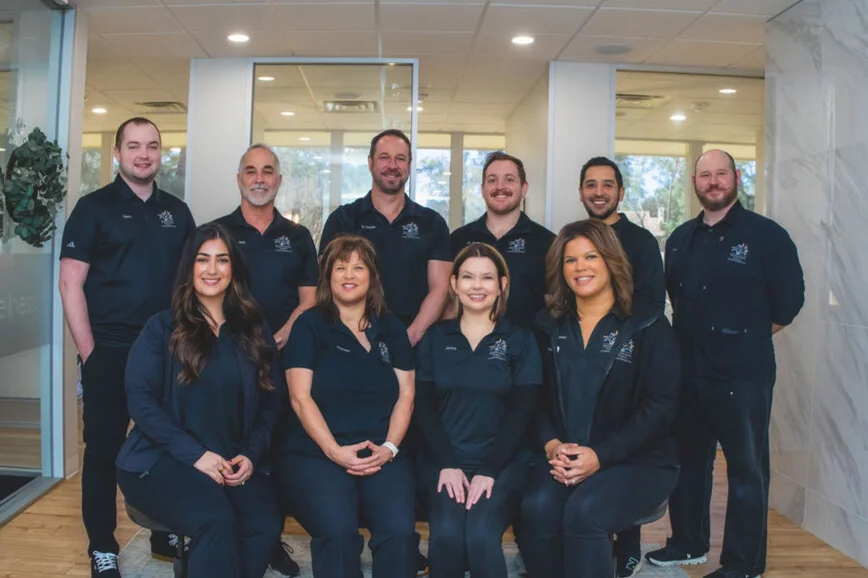
Woodlands Family Chiropractic has served The Woodlands community since 1998 and offers conservative spine care that may include chiropractic adjustments, Cox Decompression, corrective rehabilitation, soft-tissue services, home strategies, and patient education. Treatment selection should follow the individual evaluation rather than a one-size-fits-all protocol.
The goal of a comprehensive evaluation is to clarify whether continued conservative care is reasonable, whether the treatment approach should change, or whether medical imaging, pain-management consultation, neurological evaluation, or surgical referral is the more appropriate next step.

Schedule Your Spine Evaluation
If lumbar herniated disc pain is still limiting your work, sleep, walking, exercise, or daily life after previous treatment, schedule a comprehensive spine evaluation with Woodlands Family Chiropractic. Bring your imaging and treatment history so the next plan can build on what you have already learned rather than simply repeating it.
schedule a spine evaluationFrequently Asked Questions
Why hasn’t my herniated disc healed?
Symptoms may persist because the nerve remains inflamed, repeated loading continues to aggravate it, neurological recovery is slow, or another condition is contributing. Imaging changes and symptom changes do not always occur at the same pace.
What if physical therapy didn’t help?
Review which exercises and methods were used, how long they were tried, and whether symptoms centralized, spread, or changed. A different diagnosis, exercise direction, dosage, or combined treatment plan may be needed.
Can I still recover without surgery?
Many patients improve without surgery when serious neurological deficits are absent. Recovery is individual, and persistent symptoms deserve re-evaluation rather than an automatic assumption that surgery is or is not required.
What is Cox® Flexion-Distraction Therapy?
It is a clinician-controlled, low-force technique performed on a specialized segmented table. It may be considered for selected disc-related symptoms as part of a broader conservative plan.
Can chiropractic care help chronic disc pain?
Selected patients may improve with individualized manual care, exercise, rehabilitation, and education. Chiropractic care is not appropriate for every case and should not delay referral for progressive neurological deficits.
When should surgery be considered?
Surgical consultation may be appropriate for cauda equina syndrome, progressive weakness, severe neurological loss, or persistent disabling symptoms that correlate with imaging and do not improve with appropriate conservative care.
Can symptoms come and go?
Yes. Symptoms can fluctuate with activity, posture, sleep, inflammation, and nerve sensitivity. The overall trend in function and neurological status is more important than a single good or bad day.
How long can a herniated disc take to improve?
Some cases improve within weeks, while others take months. Duration depends on the herniation, nerve involvement, health factors, activity demands, and response to treatment. No universal timeline applies.
Is another MRI necessary?
Not always. Repeat imaging may be useful if symptoms change, weakness develops, the original scan is old, an intervention is being considered, or the diagnosis no longer fits.
When should I seek emergency medical care?
Seek urgent care for new bowel or bladder dysfunction, saddle numbness, rapidly worsening weakness, severe bilateral symptoms, or loss of coordination.