
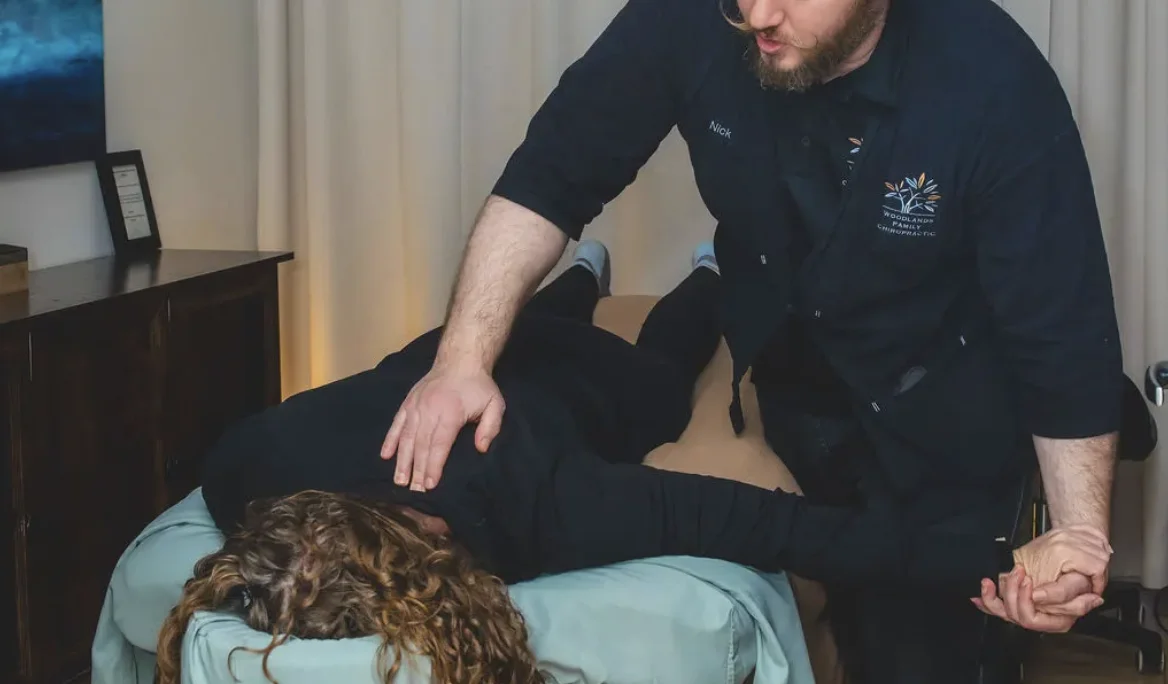
Back Pain Chiropractor in The Woodlands, TX
Back pain can turn ordinary parts of the day into difficult decisions. You may think twice before lifting a child, sitting through a meeting, exercising, sleeping in your usual position, or driving across The Woodlands. When discomfort keeps returning or begins limiting your routine, a focused evaluation can help clarify what may be contributing to the problem and what conservative options are appropriate.
Woodlands Family Chiropractic provides personalized chiropractic care for adults dealing with acute, recurring, and chronic back pain. With more than 20 years of experience serving The Woodlands community, our team takes an evaluation-led approach rather than applying the same treatment to every patient. The goal is to understand how your symptoms began, how they affect movement and daily life, and which combination of care may best support function and recovery.
If you are searching for a back pain chiropractor in The Woodlands, your first step should be a careful assessment—not a promise of an instant fix. Back pain can arise from muscles, joints, discs, nerves, movement habits, injuries, or health conditions. Your care plan should reflect the likely source of your symptoms, your health history, your goals, and any findings that indicate a referral or additional medical evaluation is needed.
Ready for an evaluation?
Schedule a consultation with WFC to discuss your symptoms, movement limitations, and appropriate next steps for personalized back pain care.
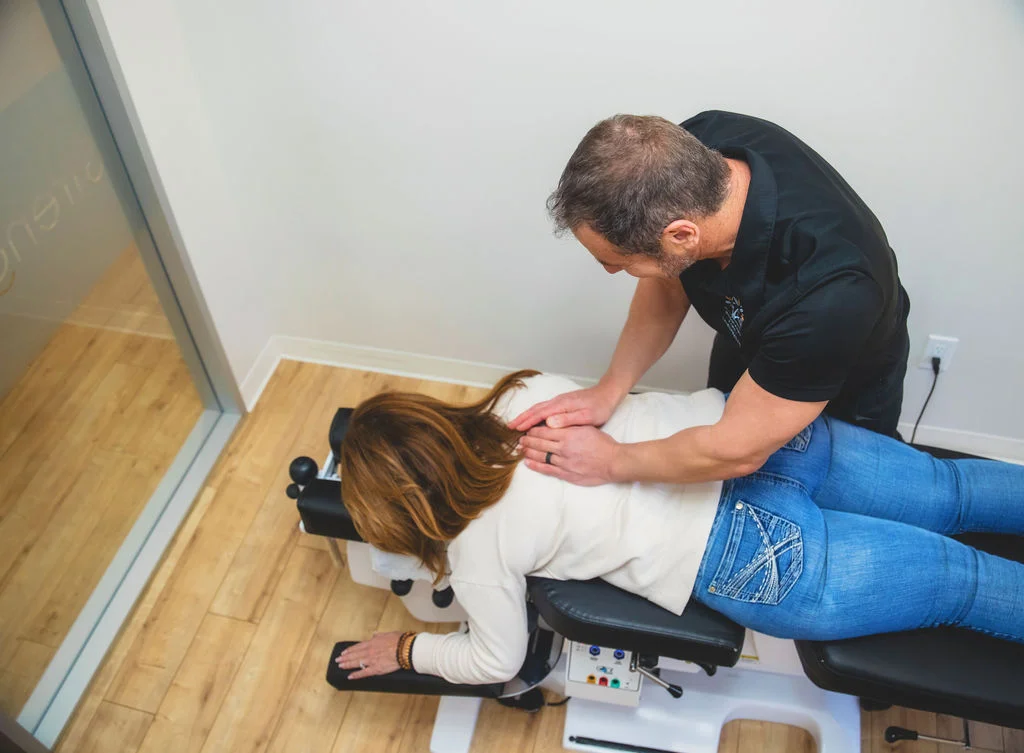
Understanding Back Pain
Back pain is a symptom, not a single diagnosis. It may feel like a dull ache, tightness, stiffness, sharp pain, muscle spasm, pressure, or pain that changes with movement. Some people can identify a specific trigger, such as lifting, a sports injury, a collision, or a long day of yardwork. Others notice symptoms building gradually after months of sitting, repetitive work, reduced activity, or altered movement patterns.
The location and behavior of pain provide useful clues. Mid-back discomfort may be associated with sustained posture, rib or thoracic joint irritation, muscle tension, or repetitive movement. Upper-back symptoms may develop alongside shoulder and neck tension. Broad back pain may also reflect more than one contributing factor, which is why a history and physical examination matter.
Pain duration is another important distinction. Acute pain begins recently and is often connected with irritation, overuse, or injury. Chronic pain generally lasts longer than three months and may involve ongoing tissue sensitivity, movement limitations, deconditioning, or changes in how the nervous system processes pain. Persistent pain deserves a thoughtful plan that considers function, confidence in movement, and long-term self-management—not only symptom intensity.
Common Causes of Back Pain
Many episodes of back pain are mechanical, meaning symptoms are influenced by muscles, joints, discs, posture, loading, or movement. A chiropractor evaluates patterns rather than assuming every painful area is “out of alignment.” Common contributors include:
- Muscle or ligament strain after lifting, twisting, sudden activity, or repetitive work.
- Joint irritation or restricted movement in the spine, ribs, pelvis, or nearby regions.
- Prolonged sitting, workstation habits, or frequent driving that loads the same tissues for hours
- Sports or exercise injuries, especially when training volume changes faster than the body can adapt.
- Degenerative changes that can alter mobility, tolerance for activity, or surrounding muscle demands.
- Disc-related irritation, which may produce local pain or symptoms that travel into an arm or leg.
- Changes in strength, endurance, coordination, or mobility that make routine tasks more demanding.
- Previous injuries that led to guarding, altered movement, or reduced confidence with activity.
Not every structural finding explains pain. Age-related changes are common, and imaging results must be interpreted alongside symptoms and examination findings. That is one reason digital X-rays or other imaging should be used when clinically indicated rather than as the only basis for treatment.
Risk Factors That Can Influence Back Pain
Back pain often develops through a combination of factors rather than one isolated cause. Your evaluation may consider activity level, occupation, sleep, stress, prior injuries, general health, and how your symptoms respond to movement. Factors that may increase risk or slow recovery include:
- Sudden increases in lifting, running, home projects, or recreational activity.
- Long periods of sitting or standing without enough movement variation.
- Poor recovery between physically demanding workdays or workouts.
- Reduced trunk, hip, or upper-back strength and endurance.
- Smoking, certain health conditions, or medications that affect tissue health.
- Fear of movement after a painful episode, leading to prolonged inactivity.
- Inadequate sleep or high stress, which can increase pain sensitivity and reduce recovery capacity.
Types of Back Pain
Acute Back Pain
Acute back pain starts recently and may follow a clear event, such as lifting a heavy object, an awkward twist, a new workout, or a minor collision. Some acute episodes improve with time and appropriate activity. An evaluation is useful when pain is severe, repeatedly returns, limits walking or sleep, or does not begin improving as expected.
Chronic Back Pain
Chronic back pain persists beyond the expected healing period, commonly longer than three months. The original trigger may no longer be the only factor. Reduced movement, loss of strength, sensitized nerves, work demands, stress, and sleep disruption can all influence symptoms. Effective care usually combines symptom management with gradual improvements in mobility, capacity, and self-management.
Upper Back Pain
Upper-back pain often involves the thoracic spine, ribs, shoulder blades, and surrounding muscles. Desk work, prolonged phone use, repetitive reaching, and limited thoracic mobility can contribute. Because chest, heart, lung, or other medical problems can sometimes be felt in the upper back, unusual symptoms should be evaluated promptly.
Mid-Back Pain
Mid-back pain may feel stiff, aching, sharp with rotation, or uncomfortable during deep breathing. Possible contributors include muscle strain, rib irritation, thoracic joint restriction, posture, or trauma. Evaluation helps determine whether conservative care is reasonable or whether another type of medical assessment is more appropriate.

Common Symptoms of Back Pain
Back pain is highly individual. Two people with similar examination findings may describe very different symptoms and limitations. Common experiences include:
- Aching, tightness, stiffness, or pressure in one region of the back.
- Sharp pain with bending, lifting, twisting, reaching, or changing positions.
- Muscle spasms or a feeling that the back may “lock up.”
- Pain that worsens after prolonged sitting, standing, driving, or desk work.
- Difficulty sleeping, exercising, working, or completing household tasks.
- Pain that spreads toward the shoulder, hip, buttock, arm, or leg.
- Numbness, tingling, or weakness, which can suggest nerve involvement and requires careful evaluation.
When Should You See a Chiropractor?
Consider scheduling an evaluation when back pain is interfering with work, sleep, exercise, household responsibilities, or activities you value. Care may also be appropriate when symptoms keep returning, when you are changing the way you move to avoid pain, or when self-care is not producing steady improvement.
A chiropractor should screen for conditions that fall outside the scope of routine musculoskeletal care. Treatment may need to be modified, postponed, or coordinated with another provider based on your symptoms, health history, examination, and imaging when indicated.
Seek urgent medical care
Do not wait for a routine chiropractic appointment if back pain follows severe trauma or occurs with new bowel or bladder dysfunction, numbness in the saddle area, rapidly progressive weakness, fever or unexplained illness, chest pain, severe abdominal symptoms, or other signs of a medical emergency.
How We Evaluate Back Pain
A useful diagnosis begins with listening. At WFC, the evaluation is designed to understand the pattern of your symptoms and how they affect your life. Your chiropractor may ask when the pain started, what makes it better or worse, whether it travels, what treatments you have already tried, and whether you have experienced weakness, numbness, trauma, illness, or other warning signs.
The physical examination may assess posture, spinal and joint movement, muscle tenderness, strength, reflexes, sensation, balance, and functional movements such as bending, walking, squatting, or changing positions. Tests are selected based on your presentation rather than performed automatically.
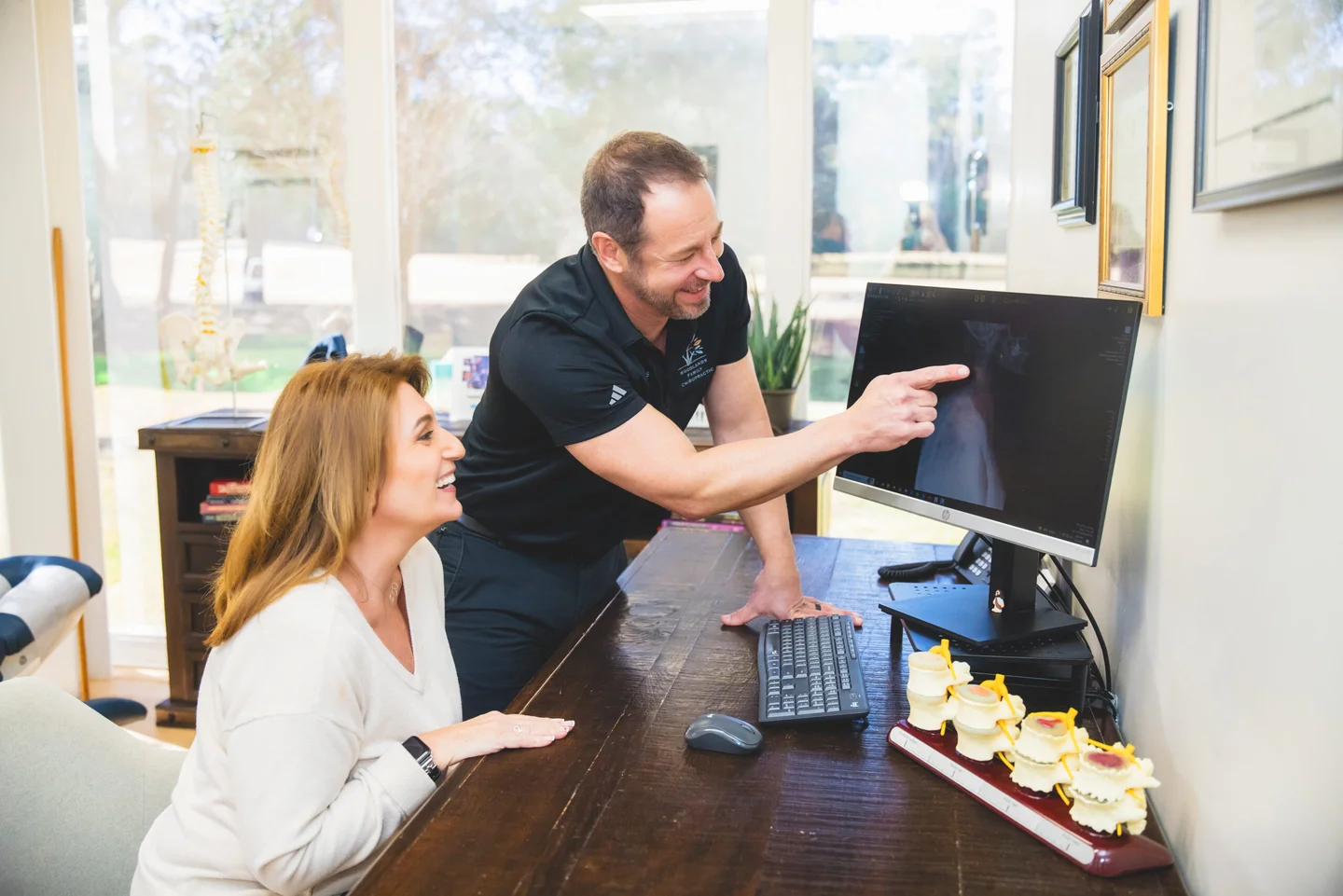
Digital X-rays may be considered when clinically indicated—for example, when the history and examination suggest that imaging could change the plan of care. Imaging is not necessary for every uncomplicated episode of back pain. When findings point to a condition that requires medical management, advanced imaging, or another specialist, an appropriate referral should be part of the plan.
Chiropractic Treatment Options
There is no universal treatment schedule for back pain. WFC develops personalized plans based on the examination, your health history, symptom severity, goals, and response to care. Conservative care may combine several methods rather than relying on one technique alone.
Chiropractic Adjustments
Chiropractic adjustments or mobilization use controlled movement to address selected joints that are painful or not moving well. The technique and force should be matched to the patient. Research summarized by the National Center for Complementary and Integrative Health indicates that spinal manipulation may provide small or modest improvements in pain and function for some people with acute or chronic low-back pain. It is one option within a broader plan—not a guarantee and not appropriate for every condition.
Soft Tissue Therapy
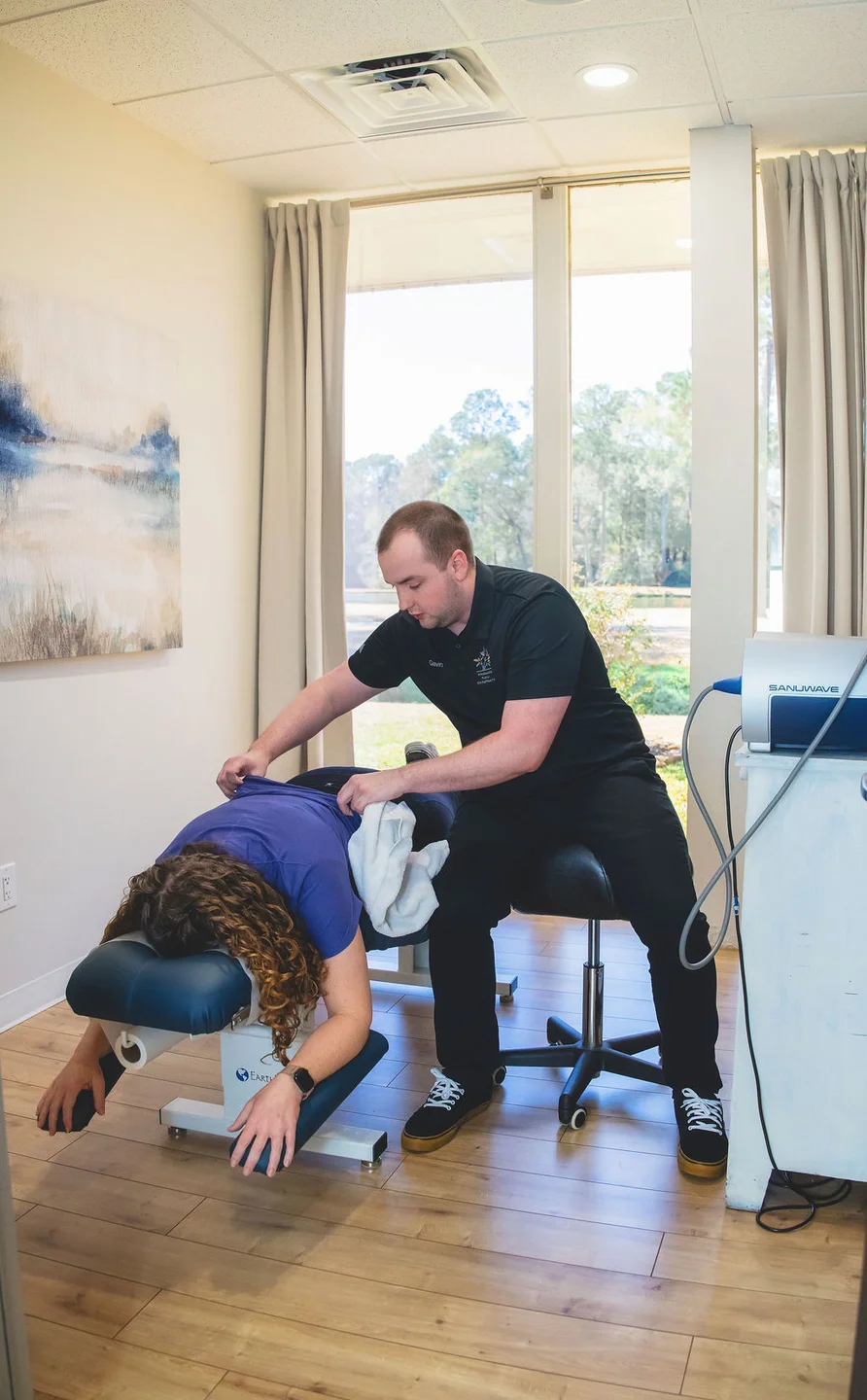
Muscles and connective tissues often become sensitive or guarded around a painful area. Soft tissue methods may be used to reduce temporary tension, improve tolerance for movement, and make exercise or mobility work more comfortable. The approach should remain focused on function rather than assuming every tender point is the sole cause of pain.
Corrective Exercises
Corrective exercises are selected to address the movement and capacity needs identified during the evaluation. Depending on the patient, this may include mobility work, trunk endurance, hip strength, upper-back control, breathing mechanics, balance, or gradual return to lifting and recreation. Exercises should progress as your tolerance improves and support gains made during in-office care.
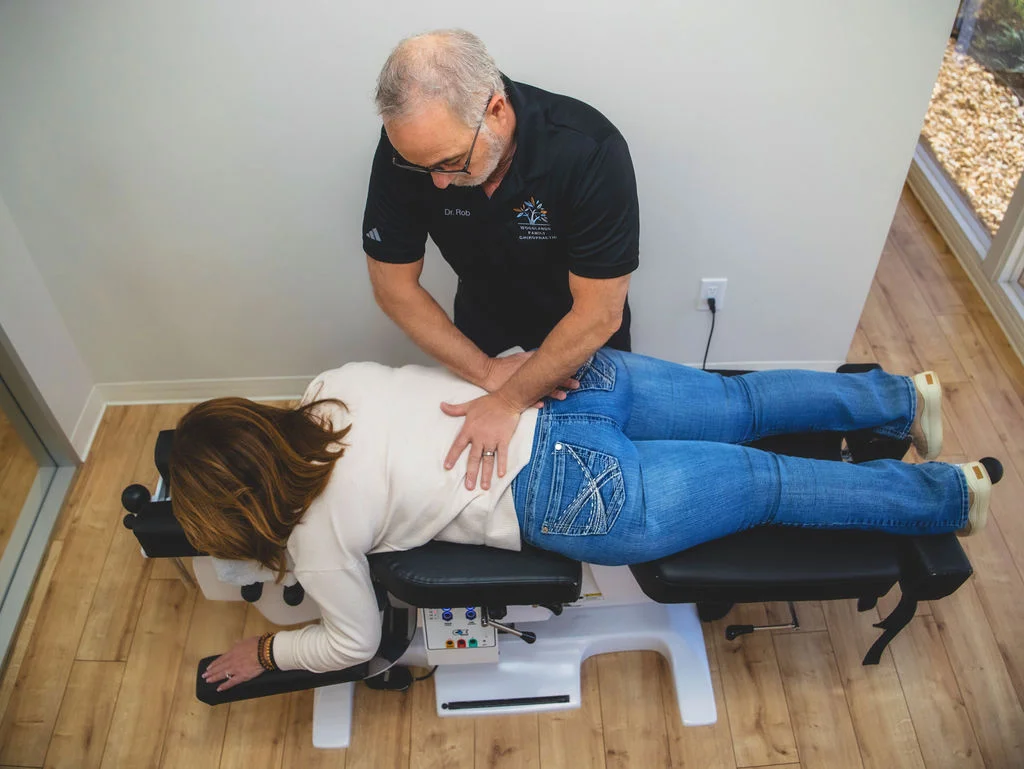
Spinal Decompression
Spinal decompression may be considered for selected patients when the clinical picture suggests disc-related or nerve-related symptoms and no contraindications are present. It uses controlled traction to change loading through the spine. The decision to use decompression should follow a comprehensive evaluation, and outcomes vary. Patients with progressive neurological symptoms or emergency warning signs require medical evaluation rather than routine decompression care.
Benefits and Realistic Expectations
The practical goal of chiropractic care is not simply to make a pain score lower for a few hours. A well-designed plan aims to help you move more comfortably, return to meaningful activities, understand your triggers, and develop strategies that reduce dependence on passive care.
Some patients notice changes quickly, while others improve gradually. Recovery can depend on how long symptoms have been present, the underlying condition, overall health, work and activity demands, sleep, stress, and consistency with home recommendations. Your plan should be reviewed over time and adjusted based on measurable progress. When care is not producing the expected response, the diagnosis and next steps should be reconsidered.
Conservative chiropractic care may help appropriate patients by:
- Improving tolerance for daily movement and activity.
- Reducing pain-related stiffness or guarding.
- Supporting gradual return to work, exercise, and recreation.
- Building strength, mobility, and confidence through exercise.
- Providing education about pacing, posture, lifting, and symptom management.
- Helping determine when co-management or referral is needed.

Related Conditions
Lower Back Pain
Lower back pain is limited to the lumbar and lumbosacral region and may involve strain, joint irritation, disc changes, or other causes.
Sciatica
Sciatica describes nerve-related symptoms that commonly travel from the buttock into one leg and may include burning, tingling, numbness, or weakness. It is not simply another name for back pain.
Herniated Disc
A herniated disc can irritate nearby tissues or nerves, but not every disc finding causes symptoms.
Neck Pain
Neck pain involves the cervical spine and may include headaches, shoulder symptoms, or arm complaints.

Preventing Future Back Pain
Not every episode can be prevented, but improving capacity and reducing repeated overload can lower the chance that minor symptoms become a recurring limitation. Prevention should be practical and individualized rather than built around perfect posture or fear of normal movement.
- Change positions regularly during desk work, driving, or long periods of standing.
- Build strength and endurance gradually instead of making sudden jumps in activity.
- Use lifting strategies that feel stable and keep the load close when practical.
- Warm up before demanding activity and allow enough recovery between sessions.
- Follow a home exercise plan that addresses your specific mobility and strength needs.
- Prioritize sleep, general physical activity, and stress-management habits.
- Respond to recurring symptoms early rather than repeatedly pushing through worsening pain.
What to Expect During Your First Visit
Your first visit is an opportunity to explain what you are feeling, what you have stopped doing, and what you want to return to. The visit generally includes a consultation, review of your health history, and a focused examination. Digital X-rays may be recommended when clinically indicated and when the findings may influence care.
After the evaluation, your chiropractor should explain the working diagnosis, whether chiropractic care is appropriate, which services may be included, and what progress will be monitored. You should also understand alternatives, potential risks, expected benefits, and situations in which referral or co-management is recommended.
A personalized plan may combine chiropractic adjustments, soft tissue therapy, corrective exercises, spinal decompression when appropriate, and practical guidance for work or home. Treatment frequency should reflect your needs and response—not a preset schedule applied to everyone.
Why Choose Woodlands Family Chiropractic?
WFC has served The Woodlands community for more than 20 years. That experience supports a patient-focused process built around evaluation, clear communication, and individualized care. Rather than treating every episode of back pain as identical, the team considers your symptom pattern, daily demands, goals, and clinical findings.
Patients choose WFC for:
- An experienced chiropractic team serving local individuals and families.
- Comprehensive spinal and functional evaluations.
- Personalized, drug-free, non-surgical care options.
- Modern chiropractic techniques selected for the individual.
- Corrective exercise and patient education that support active recovery.
- Long-term wellness planning focused on function and self-management.
- Appropriate referral when symptoms require another level or type of care.

Proudly Serving The Woodlands and Nearby Communities
WFC welcomes patients from The Woodlands, Shenandoah, Oak Ridge North, Spring, Creekside Park, Magnolia, Conroe, and surrounding communities. Whether back pain began after an injury, developed gradually at work, or keeps interrupting the activities you enjoy, a local evaluation can help you understand your options.
Schedule Your Back Pain Evaluation
Back pain should not force you to plan every day around discomfort. Schedule an appointment with Woodlands Family Chiropractic Wellness for a comprehensive evaluation and a personalized plan designed around your symptoms, health history, and goals. The first step is determining what may be contributing to your pain and whether chiropractic care is appropriate for you.
Frequently Asked Questions
Can a chiropractor help with back pain?
Chiropractic care may help some people with mechanical or nonspecific back pain. Treatment may include adjustments or mobilization, exercise, soft tissue work, and education. Results vary, and an evaluation is needed to determine whether chiropractic care is appropriate.
What causes back pain?
Common contributors include muscle strain, joint irritation, repetitive loading, prolonged sitting, disc-related problems, reduced strength or mobility, sports injuries, and degenerative changes. Back pain can also have medical causes, so symptoms and warning signs should be screened carefully.
When should I see a chiropractor for back pain?
Consider an evaluation when pain limits sleep, work, exercise, walking, or daily tasks; keeps returning; or is not improving with reasonable self-care. Seek urgent medical attention for severe trauma, bowel or bladder changes, saddle numbness, rapidly worsening weakness, fever, or other emergency symptoms.
Is chiropractic care safe?
Spinal manipulation and other chiropractic methods have risks and are not appropriate for every person. Mild temporary soreness or stiffness can occur. A clinician should review your health history, screen for contraindications, discuss options, and refer you when another type of care is needed.
How many treatments will I need?
There is no single schedule that fits everyone. Frequency and duration depend on the likely cause, symptom duration, examination findings, goals, overall health, and response to care. Your plan should be reassessed and adjusted using measurable progress.
What happens during the first visit?
The first visit typically includes a consultation, health-history review, and focused physical examination. Movement, strength, reflexes, sensation, and function may be assessed. Digital X-rays may be recommended when clinically indicated.
Does insurance cover chiropractic care?
Coverage varies by plan, diagnosis, provider network, deductible, and visit limits. Contact your insurer and the WFC office to confirm benefits and expected costs before treatment.
Can chiropractic care prevent future back pain?
No treatment can guarantee prevention. A plan that improves strength, mobility, activity tolerance, and self-management may help reduce recurrence or lessen the impact of future episodes for some patients.
When is back pain a medical emergency?
Seek immediate care after major trauma or when back pain occurs with new bowel or bladder dysfunction, saddle anesthesia, rapidly progressive weakness, fever, chest pain, severe abdominal symptoms, or other signs of serious illness.