

Headache & Migraine Treatment in The Woodlands, TX
Headaches can interrupt concentration, sleep, exercise, family time, and work. Some begin with neck stiffness or prolonged desk work. Others arrive with nausea, light sensitivity, visual changes, or a familiar migraine pattern. Because “headache” describes a symptom rather than one diagnosis, effective care begins by identifying the pattern and screening for warning signs.
Headache and Migraine Care at Woodlands Family Chiropractic
Woodlands Family Chiropractic provides evaluation-led conservative care for patients whose headaches may have a musculoskeletal component. The goal is not to assume that every headache comes from the neck or that chiropractic care treats the underlying neurological cause of migraine. It is to understand the headache history, examine the neck and related movement when appropriate, identify findings that require medical referral, and build a plan around the patient’s needs.
For selected patients, care may include chiropractic adjustments or mobilization, soft-tissue therapy, corrective exercise, ergonomic guidance, activity modification, and self-management education. Migraine often requires a broader medical strategy that may include medication, trigger management, sleep, hydration, and collaboration with a primary-care clinician or neurologist.
Ready for an evaluation?
Schedule a consultation with WFC to discuss your headache pattern, neck symptoms, triggers, and appropriate next steps.

Understanding Headaches & Migraines
Primary vs. Secondary Headaches
Primary headaches are disorders in themselves. Migraine, tension-type headache, and cluster headache are examples. Secondary headaches arise from another condition, such as infection, trauma, medication overuse, vascular disease, eye problems, or another medical cause. A new or unusual headache deserves careful screening before routine musculoskeletal treatment begins.
Why Identifying the Cause Matters
The same symptom can come from very different processes. A headache that changes with neck movement may suggest a cervical contribution, while a migraine may involve one-sided throbbing, nausea, sensory sensitivity, and sometimes aura. A sudden severe headache with neurological changes requires emergency evaluation. Treatment should follow the likely diagnosis rather than a generic “headache protocol.”

Common Headache Types and Contributors
Tension-Type Headaches
Tension-type headaches commonly feel like pressure, tightness, or a band around the head. They may occur with scalp, jaw, neck, or shoulder tenderness, although muscle tension is not the only possible contributor. Stress, sleep disruption, prolonged screen work, missed meals, and sustained positions may influence frequency.
Cervicogenic Headaches
Cervicogenic headache is pain referred from the neck. Symptoms may begin near the upper neck or back of the head and spread toward the temple, forehead, or eye. Neck movement, sustained posture, or pressure on cervical structures may reproduce symptoms. Diagnosis requires more than simply having neck pain with a headache.
Migraines
Migraine is a neurological disorder, not merely a severe tension headache. Attacks may include throbbing pain, nausea, vomiting, sensitivity to light or sound, fatigue, and sometimes aura. Chiropractic care should not be presented as a cure. Some patients may use musculoskeletal care as one part of a broader migraine plan under appropriate medical guidance.
Cluster Headaches
Cluster headaches cause severe attacks around one eye, often with tearing, nasal symptoms, or restlessness. Attacks may follow a repeating daily pattern during a cluster period. Because treatment is medical and time-sensitive, suspected cluster headache should be referred rather than managed as routine neck tension.
Medication Overuse Headaches
Frequent use of certain acute headache medications can contribute to medication-overuse headache. Patients with near-daily headaches or escalating medication use should discuss the pattern with the prescribing clinician. Medication should not be stopped abruptly without appropriate guidance.
Neck Muscle Tension and Cervical Joint Dysfunction
Sensitive muscles and limited cervical movement can accompany tension-type or cervicogenic headaches. They may also appear during migraine without being the primary cause. Examination helps determine whether neck-focused care is likely to be useful.
Posture, Text Neck, and Ergonomic Strain
No single posture automatically causes headaches. Problems are more likely when a person stays in one position for long periods, works with poorly placed screens, or lacks enough variation and recovery. The practical focus is movement variety, workstation fit, and capacity—not fear of normal posture.
Whiplash and Trauma
Headache after a collision or fall may involve cervical joints, muscles, concussion, or other injury. New headache after trauma, especially with confusion, vomiting, severe dizziness, weakness, or worsening symptoms, requires prompt medical assessment.
Stress, Sleep, Hydration, and Daily Habits
Stress, inconsistent sleep, skipped meals, dehydration, caffeine changes, and sensory overload may influence headache frequency. These factors do not mean symptoms are “just stress.” They are useful parts of a complete history and self-management plan.
Jaw Tension
Jaw clenching, temporomandibular discomfort, and facial muscle tension may coexist with headaches. Significant jaw symptoms may require dental or medical evaluation in addition to conservative musculoskeletal care.

Common Symptoms
- Pressure, aching, throbbing, or sharp head pain.
- Neck stiffness, limited motion, or pain at the base of the skull.
- Shoulder or upper-back tightness.
- Light, sound, or smell sensitivity.
- Nausea, vomiting, fatigue, or difficulty concentrating.
- Visual, sensory, or speech changes associated with aura.
- Dizziness or imbalance that requires careful screening.
Symptoms alone do not establish the diagnosis. Headache location, duration, frequency, triggers, associated neurological symptoms, medication use, and examination findings all matter.
When Should You Seek Care?
Consider an evaluation when headaches are recurring, changing your routine, affecting sleep or work, or occurring with persistent neck discomfort. A clinician should also review headaches that are becoming more frequent, require increasing medication, or no longer respond to the usual plan.
Seek urgent medical care
Call emergency services or seek immediate evaluation for a sudden “worst headache,” headache with new weakness, facial droop, trouble speaking, confusion, fainting, seizure, fever with a stiff neck, major trauma, new vision loss, or a new severe headache during pregnancy or the postpartum period.
How Chiropractors Evaluate Headaches
Health and Headache History
Evaluation begins with the pattern: age at onset, location, duration, frequency, intensity, triggers, aura, nausea, sensory sensitivity, medication use, trauma, pregnancy status, and family history. The clinician should ask whether the headache is new, rapidly changing, or associated with neurological symptoms.
Physical and Neurological Examination
The examination may assess blood pressure, posture, cervical motion, tenderness, strength, reflexes, sensation, balance, eye movements, coordination, and functional tasks. Testing should be selected based on the history rather than performed automatically.
Movement Assessment
For suspected cervicogenic or tension-related symptoms, the clinician may evaluate whether neck movement or sustained positions reproduce the familiar headache. Shoulder, upper-back, breathing, and workstation demands may also be relevant.
Imaging and Referral
Most familiar, uncomplicated headaches do not automatically require imaging. Imaging or specialist referral may be appropriate when symptoms are sudden, progressive, unusual, associated with trauma or neurological findings, or likely to change the management plan. Migraine diagnosis and medication management may require primary-care or neurology involvement.
Conservative Treatment Options
Chiropractic Adjustments and Mobilization
Selected patients with cervicogenic headache or accompanying neck pain may receive carefully chosen spinal manipulation or mobilization. Current evidence suggests possible benefits for cervicogenic headache, while migraine findings remain preliminary or inconclusive. Technique, force, and region should be individualized, and the potential risks of cervical manipulation should be discussed.
Soft Tissue Therapy
Soft-tissue methods may be used when neck, shoulder, scalp, or jaw-related muscle sensitivity contributes to discomfort. The purpose is to improve comfort and movement tolerance, not to claim that every tender muscle is the sole cause of headache.
Corrective Exercises and Functional Rehabilitation
Exercises may address neck endurance, upper-back mobility, shoulder control, breathing, and gradual return to activity. A simple program that the patient can perform consistently is generally more useful than a long list of generic stretches.
Activity and Ergonomic Guidance
Recommendations may include movement breaks, screen-height changes, lighting adjustments, pacing, hydration, regular meals, sleep routines, and modification of activities that reliably provoke symptoms. The goal is sustainable self-management rather than rigid posture rules.
Headache Tracking and Co-Management
A headache diary can help identify frequency, duration, disability, medication use, menstrual or hormonal patterns, sleep, foods, and other possible triggers. Patients with migraine may benefit from coordinated care with a medical clinician for diagnosis, preventive medication, acute treatment, and management of associated conditions.
Benefits and Realistic Expectations
The aim of conservative care is to reduce the musculoskeletal burden that may contribute to symptoms, improve neck movement, support daily function, and help patients understand their patterns. Improvement should be measured through headache days, intensity, medication use, disability, sleep, and participation—not by promises of a permanent cure.
- Improved cervical mobility for selected patients.
- Reduced neck or shoulder tension.
- Better tolerance for desk work, driving, and exercise.
- A clearer self-management plan for posture, pacing, sleep, and activity.
- Prompt referral when symptoms suggest migraine complexity or a secondary headache.
If headache frequency or severity does not improve, the working diagnosis and treatment plan should be reconsidered. Continuing the same care without measurable progress is not appropriate.
What to Expect During Treatment
First Visit
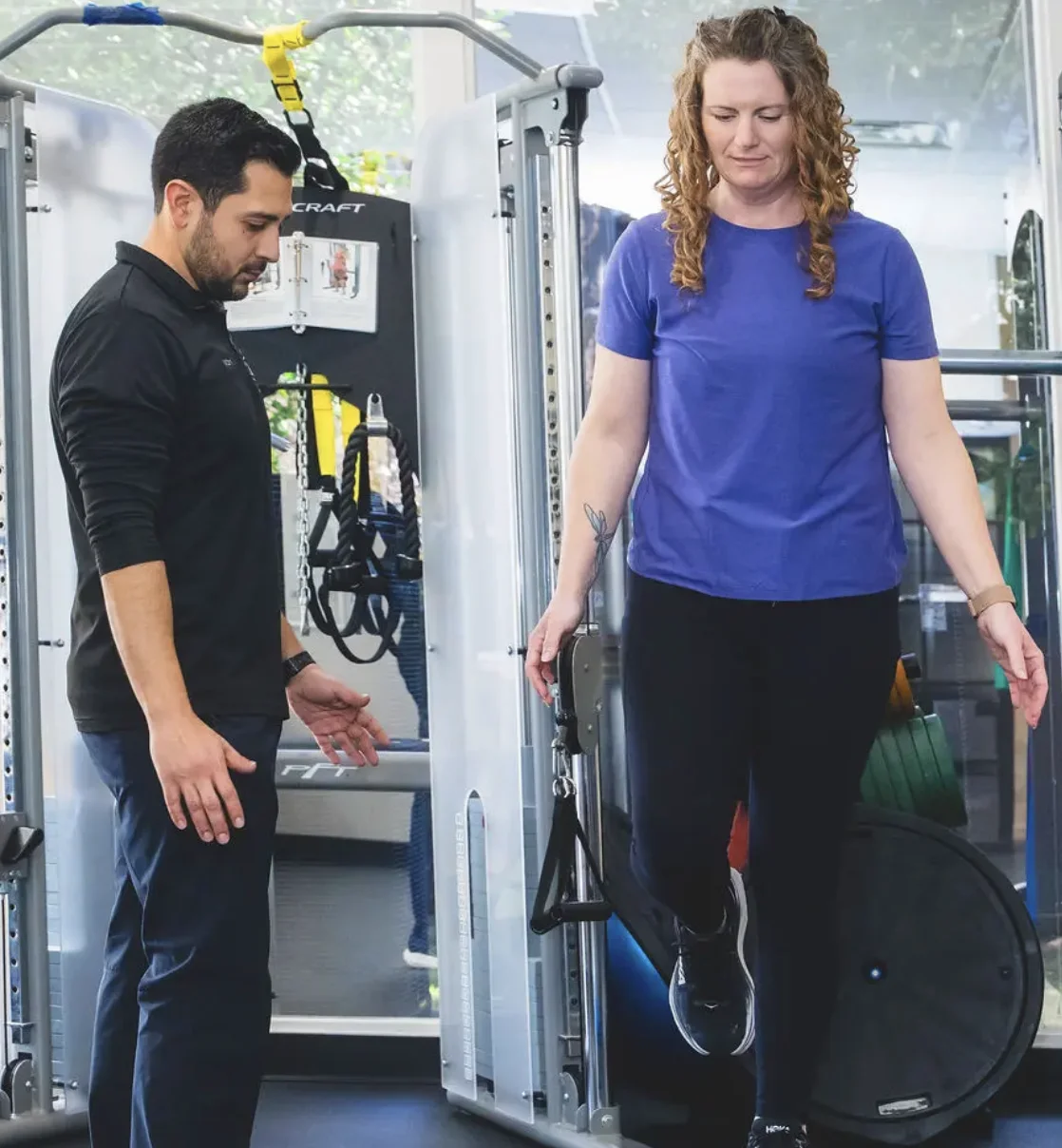
The first visit includes a consultation, health-history review, and focused examination. Before treatment, the clinician should explain the likely headache type, whether chiropractic care is appropriate, and whether referral or co-management is recommended.
Personalized Treatment Plan
A plan may combine adjustments or mobilization, soft-tissue care, exercise, ergonomic changes, and home recommendations. The plan should reflect the headache diagnosis, neck findings, health history, preferences, and response.
Follow-Up and Recovery Expectations
Follow-up should track headache frequency, intensity, duration, disability, and function. Some patients improve gradually. Others need medical treatment, medication changes, or specialist evaluation. Care should be modified when symptoms worsen, change character, or fail to respond.

Why Choose Woodlands Family Chiropractic?
WFC has served The Woodlands community since 1998. The practice provides chiropractic adjustments, instrument-assisted or lower-force options when appropriate, soft-tissue care, corrective strategies, and patient education. For headaches, that experience supports an evaluation-first process that distinguishes musculoskeletal contributors from migraine and secondary headache patterns.
- Comprehensive headache, cervical, movement, and neurological screening.
- Individualized techniques based on clinical findings and patient preference.
- Corrective exercise and functional rehabilitation.
- Measured expectations and transparent discussion of benefits and risks.
- Coordination or referral when headaches require medical management.

Proudly Serving The Woodlands and Nearby Communities
Woodlands Family Chiropractic welcomes patients from The Woodlands, Shenandoah, Oak Ridge North, Spring, Creekside Park, Magnolia, Conroe, and surrounding communities. Whether headaches occur with neck tension, desk work, migraine, or a recent injury, a focused evaluation can help clarify the next step.


Schedule Your Headache Evaluation
Recurring headaches deserve an accurate pattern-based evaluation. Schedule a consultation with Woodlands Family Chiropractic to discuss your symptoms, neck function, triggers, and whether conservative chiropractic care should be part of your plan.
Frequently Asked Questions
Can a chiropractor help headaches?
Chiropractic care may help some patients with cervicogenic headache or headaches accompanied by mechanical neck pain. Results vary, and an evaluation is needed to identify the headache type and determine whether care or referral is appropriate.
Can chiropractic care help migraines?
Migraine is a neurological disorder. Some preliminary research suggests spinal manipulation may help certain outcomes, but the evidence is not conclusive. Chiropractic care should be considered complementary and coordinated with medical migraine management when appropriate.
What causes tension headaches?
Tension-type headaches may be influenced by stress, sleep, prolonged positions, muscle sensitivity, jaw tension, and other factors. There is rarely one simple cause.
What is a cervicogenic headache?
A cervicogenic headache is referred pain arising from structures in the neck. Symptoms often change with neck movement or sustained position, but a clinical evaluation is needed because neck pain may accompany other headache types.
How do I know if my headache is coming from my neck?
Clues include headache reproduced by neck movement, restricted cervical motion, and pain beginning near the upper neck. These clues are not definitive, so diagnosis should include a history and examination.
When should I seek emergency care for a headache?
Seek immediate care for a sudden severe headache, new neurological symptoms, seizure, fainting, fever with stiff neck, major trauma, new vision loss, or a new severe headache during pregnancy or postpartum.
Do I need imaging?
Not usually for familiar, uncomplicated headache patterns. Imaging may be needed when symptoms are sudden, progressive, unusual, associated with trauma, or accompanied by abnormal neurological findings.
How many visits will I need?
There is no universal schedule. Frequency and duration depend on the headache type, symptom history, examination findings, goals, and response. Progress should be measured and the plan adjusted.
Can poor posture cause headaches?
Prolonged, unvaried positions and workstation demands may contribute to neck discomfort and some headaches. No single posture is inherently harmful. Movement variety, ergonomic fit, and physical capacity matter.
When should I see a chiropractor?
Consider an evaluation when headaches recur with neck pain, stiffness, or movement limitations and no emergency warning signs are present. New, severe, unusual, or neurological headaches require medical assessment first.