
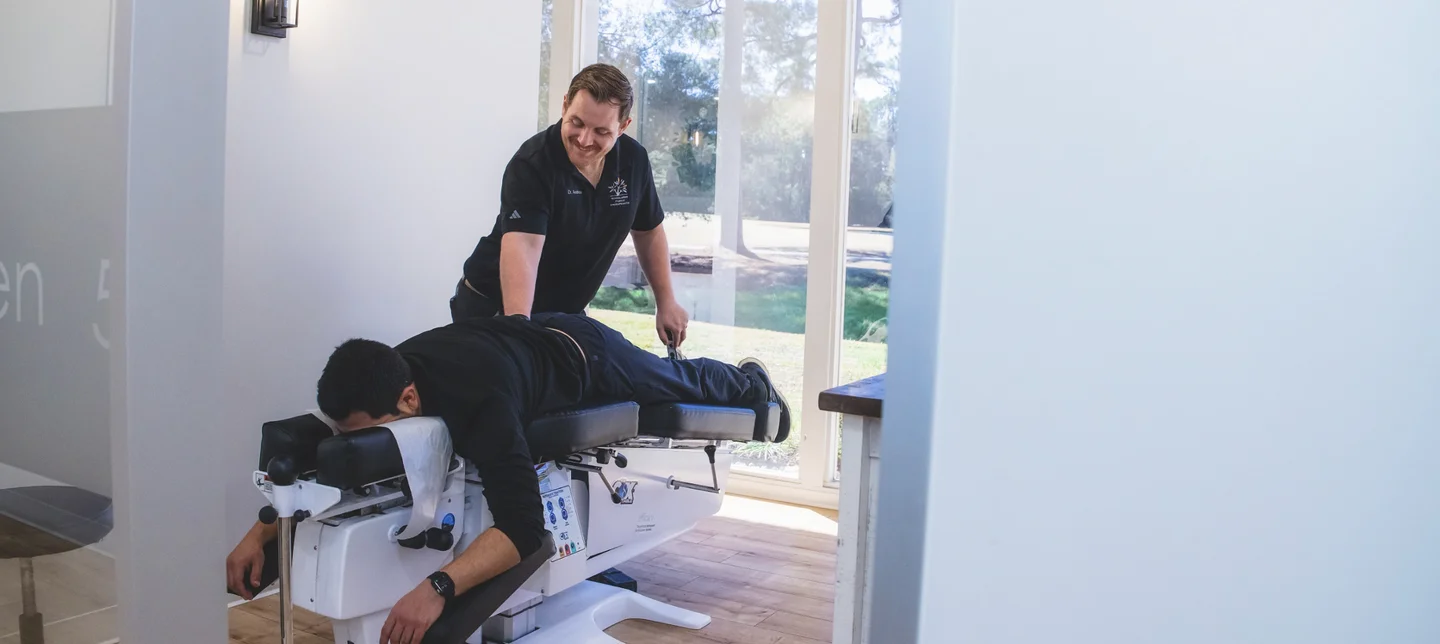
Lower Back Pain Chiropractor in The Woodlands, TX
Lower back pain can make ordinary movements feel uncertain. Bending to tie a shoe, lifting groceries, standing through a work shift, getting out of a car, exercising, or sleeping comfortably may become harder than expected. Some episodes begin after a specific lift or twist. Others build gradually after long hours of sitting, repetitive work, reduced activity, or a sudden increase in exercise.
Lower Back Pain Care at Woodlands Family Chiropractic
Woodlands Family Chiropractic provides personalized chiropractic care for adults with acute, recurring, and chronic lower back pain. With more than 20 years of experience serving The Woodlands community, the team uses an evaluation-led approach rather than assuming every painful lower back needs the same treatment. The goal is to understand how symptoms began, what movements and positions affect them, how they limit daily life, and whether conservative chiropractic care is appropriate.
If you are searching for a lower back pain chiropractor in The Woodlands, your first step should be a focused assessment—not a promise of an instant fix. Localized lumbar pain can arise from muscles, ligaments, spinal joints, sacroiliac joints, discs, activity demands, or health conditions. Your plan should reflect the likely contributors, your medical history, your goals, and any findings that indicate imaging, co-management, or medical referral is needed.
Ready for an evaluation?
Schedule a consultation with WFC to discuss your lower back symptoms, movement limitations, and appropriate next steps for personalized care.
Understanding Lower Back Pain
Lower back pain describes discomfort in the lumbar and lumbosacral region, generally between the lower ribs and the top of the pelvis. It is a symptom rather than a single diagnosis. Pain may feel dull, sharp, stiff, tight, sore, or catching. It may remain centered in the lower back, spread toward the buttock or hip, or change with bending, sitting, standing, walking, lifting, or position changes.
Many episodes are mechanical, meaning symptoms are influenced by how tissues respond to movement, loading, posture, or sustained positions. Mechanical does not mean imaginary or unimportant. It means that the history, examination, and response to movement can help identify useful treatment and self-management strategies.
What Is Lower Back Pain?
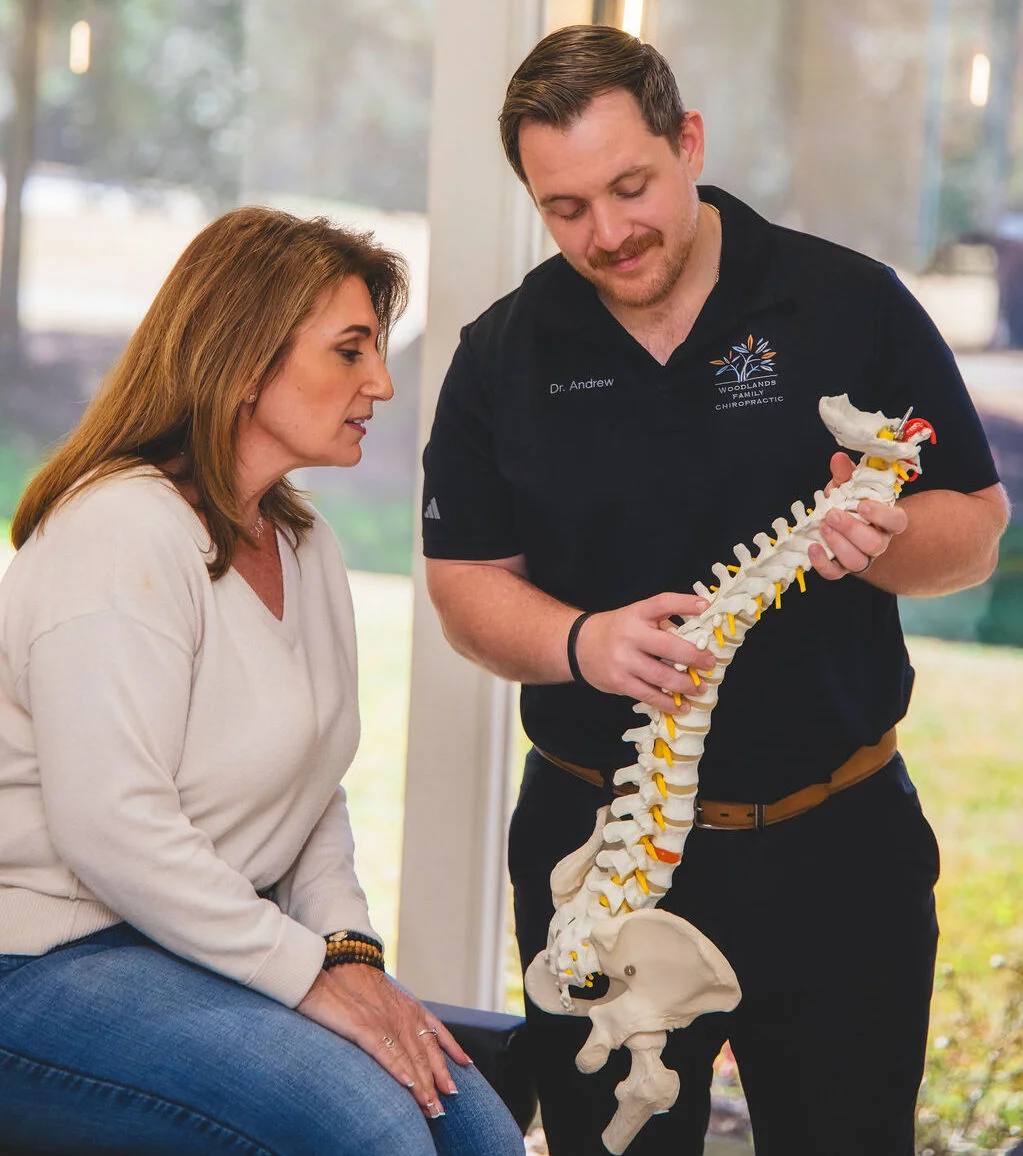
The lumbar spine includes five vertebrae supported by discs, joints, ligaments, muscles, nerves, and surrounding connective tissues. The sacrum and sacroiliac joints connect the spine to the pelvis. Any of these structures can become sensitive, but it is not always possible—or necessary—to identify one exact tissue before conservative care begins. A practical evaluation looks for patterns, functional limits, neurological findings, and warning signs that may change the plan.
Lower Back Pain vs. General Back Pain
The broader Back Pain page covers upper-, middle-, and lower-back symptoms along with general causes, evaluation, and care. This page is narrower. It focuses on pain centered in the lumbar and lumbosacral region, including movement-related pain, stiffness, strains, joint irritation, sacroiliac involvement, and work or activity limitations.
Lower Back Pain vs. Sciatica
Localized lower back pain is not the same as sciatica. Sciatica more commonly includes pain, burning, tingling, numbness, or weakness that travels from the lower back or buttock into one leg, often below the knee. A person can have both conditions, but radiating neurological symptoms deserve focused screening.
Common Causes of Lower Back Pain
Lower back pain often reflects more than one contributing factor. The same movement may be comfortable for one person and painful for another depending on recent workload, recovery, strength, sleep, previous injury, and tissue sensitivity.
Muscle Strains
Lumbar muscles can become irritated after lifting, twisting, sudden acceleration, unfamiliar exercise, yardwork, or repetitive physical work. A strain may create localized aching, tightness, spasm, or pain with movement. Most strains improve with appropriate activity and time, but severe pain, trauma, or symptoms that are not improving should be evaluated.
Ligament Sprains
Ligaments help stabilize the lumbar spine and pelvis. Sudden or excessive loading can irritate these tissues and produce pain with bending, twisting, or transitional movements. Because symptoms can overlap with muscle or joint pain, the diagnosis is based on the full clinical picture rather than one tender spot.
Facet Joint Irritation
Facet joints guide movement between lumbar vertebrae. They may become sensitive after extension, rotation, compression, repetitive loading, or age-related changes. Pain may remain local or spread toward the buttock or upper thigh. Facet irritation does not usually cause the classic numbness, tingling, or weakness associated with nerve-root involvement.
Sacroiliac Joint Involvement
The sacroiliac joints connect the sacrum to the pelvis. Irritation in this region may be felt on one side of the low back or near the upper buttock and can be aggravated by walking, stairs, rolling in bed, prolonged standing, or uneven loading. No single test confirms sacroiliac pain in every patient, so clinicians often use a combination of history and examination findings.
Degenerative Changes
Age-related changes in discs and joints are common, including in people without pain. These findings may influence stiffness or loading tolerance, but they should not automatically be treated as the entire explanation for symptoms. Imaging results are most useful when interpreted alongside the history, examination, and functional limitations.
Movement and Capacity Mismatch
Pain may develop when activity demands increase faster than the body can adapt. A weekend of heavy yardwork, a new exercise program, repeated lifting, or returning to sport after inactivity can exceed current capacity. The answer is not always avoiding movement; it may involve temporarily modifying the load and rebuilding strength, endurance, and confidence progressively.
Occupational Demands
Desk work, frequent driving, healthcare tasks, construction work, warehouse lifting, childcare, and prolonged standing can all challenge the lower back in different ways. The issue is rarely one “bad posture.” More often, symptoms reflect repeated exposure to the same position or task without enough variation, recovery, or capacity for the workload.

Common Symptoms of Lower Back Pain
Lower back pain varies from person to person. Common experiences include:
- Localized aching, tightness, stiffness, or pressure in the lumbar region.
- Sharp or catching pain with bending, twisting, lifting, or changing positions.
- Morning stiffness that eases after gentle movement.
- Pain after prolonged sitting, standing, driving, or desk work.
- Difficulty lifting, carrying, exercising, or completing household tasks.
- Muscle spasm or a feeling that the back may “lock up.”
- Reduced confidence with movement even after the most intense pain improves.
- Pain that spreads toward the buttock or hip without neurological symptoms below the knee.
New numbness, tingling, weakness, foot symptoms, or pain traveling below the knee may suggest nerve involvement and should be screened carefully.
When Should You Seek Care?
Consider scheduling an evaluation when lower back pain interferes with work, sleep, exercise, walking, driving, lifting, or activities you value. Care may also be appropriate when symptoms repeatedly return, when you are avoiding normal movement because of fear, or when reasonable self-care is not producing steady improvement.
- Pain persists beyond several days or is not gradually improving.
- Symptoms repeatedly return with work, exercise, or routine lifting.
- Sitting, standing, walking, or sleeping tolerance is decreasing.
- Pain is constant, severe, or increasingly disruptive at night.
- You have a history of significant trauma, osteoporosis, cancer, infection risk, or prolonged steroid use.
- Pain begins with numbness, tingling, weakness, or symptoms extending below the knee.
- You are unsure whether conservative care is appropriate for your health history.
How We Evaluate Lower Back Pain
A useful evaluation begins with listening. At WFC, your chiropractor may ask when the pain began, whether there was a specific event, which movements or positions affect it, how it changes through the day, what care you have already tried, and whether you have experienced trauma, numbness, tingling, weakness, fever, illness, or bowel or bladder changes.
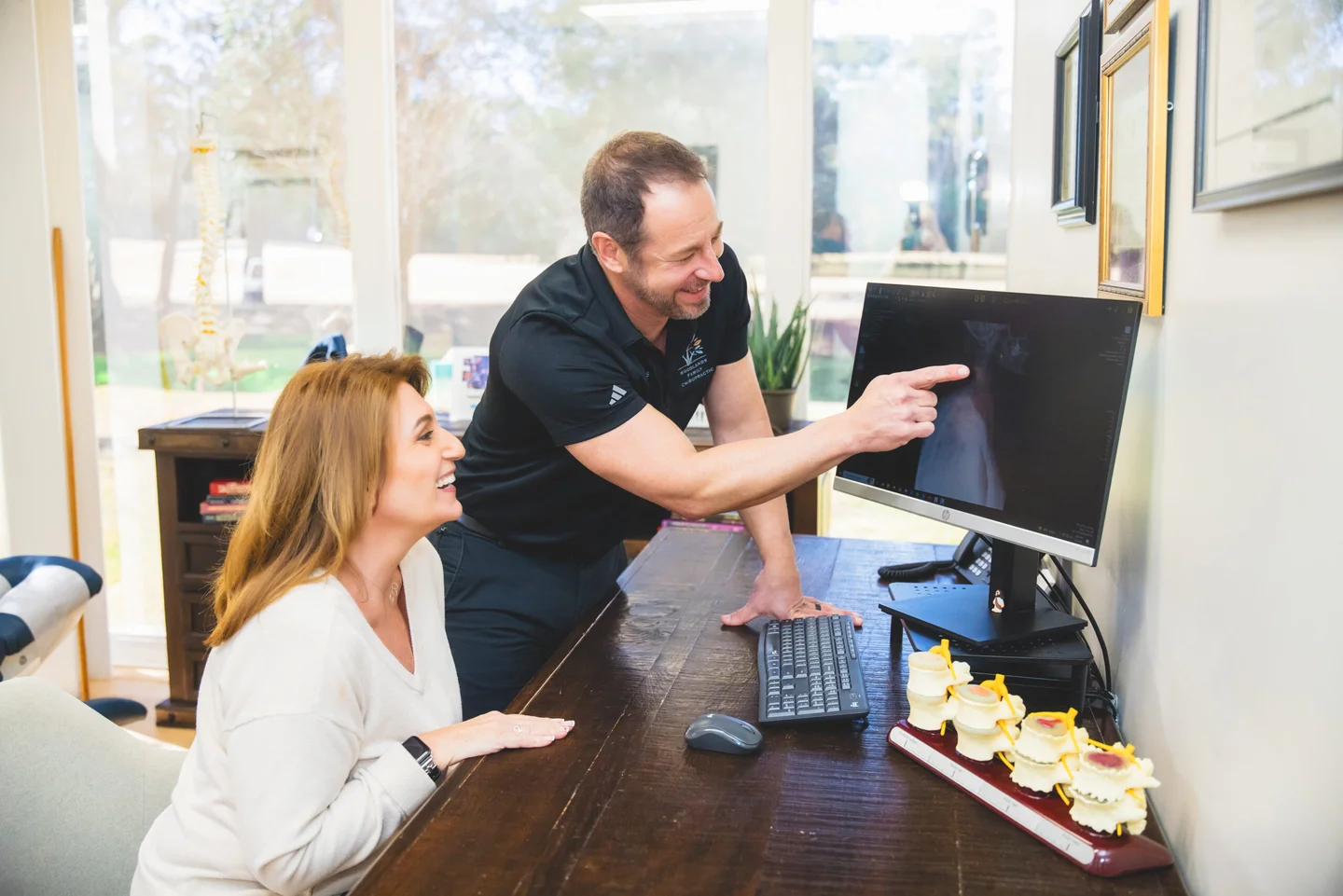
The physical examination may assess posture, lumbar and hip movement, muscle tenderness, strength, reflexes, sensation, balance, gait, and functional movements such as bending, squatting, lifting, sitting, standing, or changing positions. Orthopedic and neurological tests are selected based on the presentation rather than performed as a generic checklist.
Digital X-rays may be considered when clinically indicated—for example, when the history and examination suggest that imaging could change the plan of care. Imaging is not necessary for every uncomplicated episode of mechanical lower back pain. When findings suggest fracture, infection, progressive neurological loss, severe systemic illness, or another condition outside routine conservative care, referral for medical evaluation or advanced imaging should be part of the plan.
Chiropractic Treatment Options
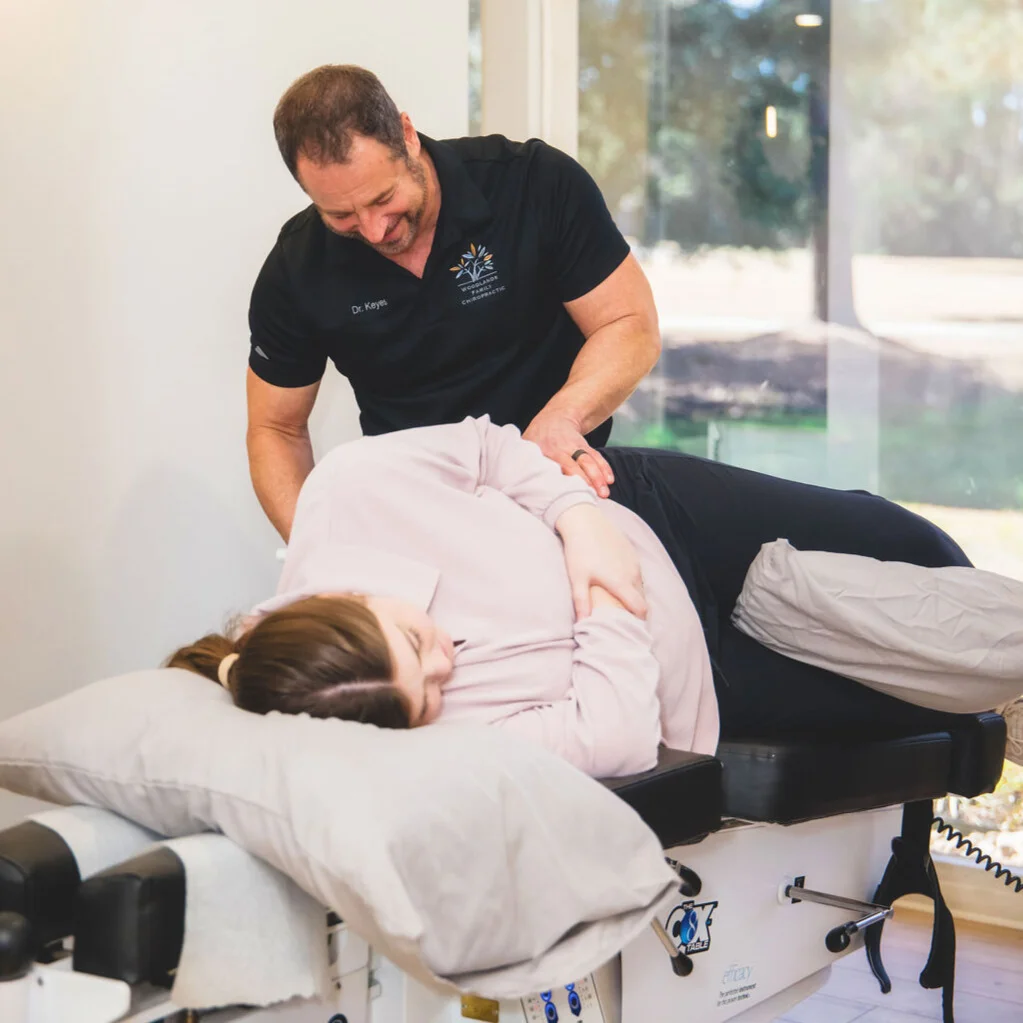
There is no universal treatment schedule for lower back pain. WFC develops personalized plans based on the examination, health history, symptom duration, functional limits, goals, and response over time. Conservative care may combine several methods rather than relying on one passive treatment.
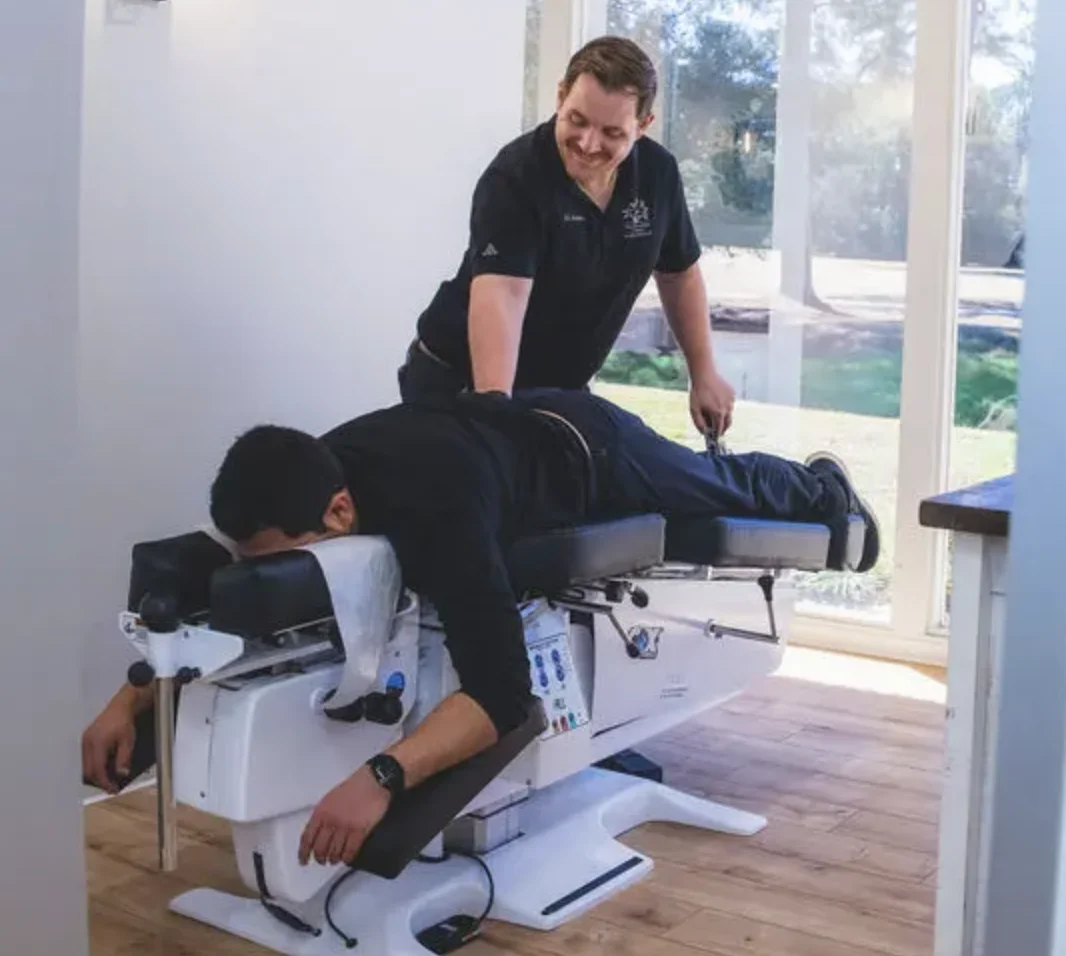
Chiropractic Adjustments and Mobilization
Chiropractic adjustments or mobilization use controlled movement to address selected joints that are painful or not moving well. The technique and force should be matched to the patient. Evidence summarized by the National Center for Complementary and Integrative Health indicates that spinal manipulation may provide small or modest improvements in pain and function for some adults with acute or chronic low-back pain. It is one option within a broader plan—not a guaranteed solution and not appropriate for every condition.
Soft Tissue Therapy
Muscles and connective tissues may become guarded or sensitive around a painful area. Soft tissue methods may help reduce temporary tension, improve tolerance for movement, and make exercise or mobility work more comfortable. They should support function rather than be presented as a permanent correction of every painful tissue.
Corrective Exercises
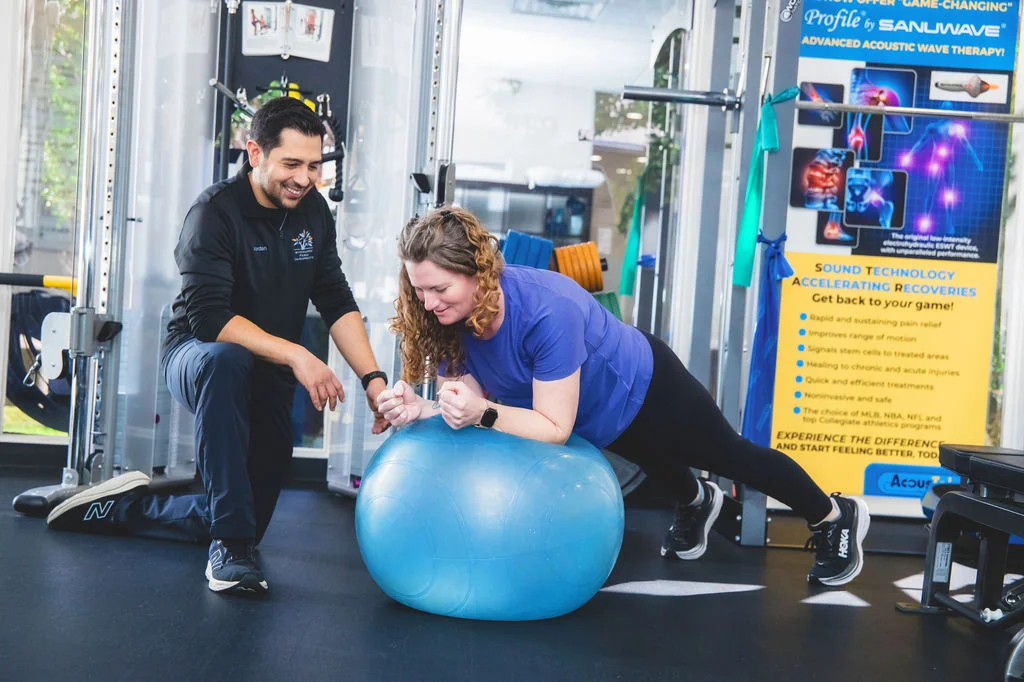
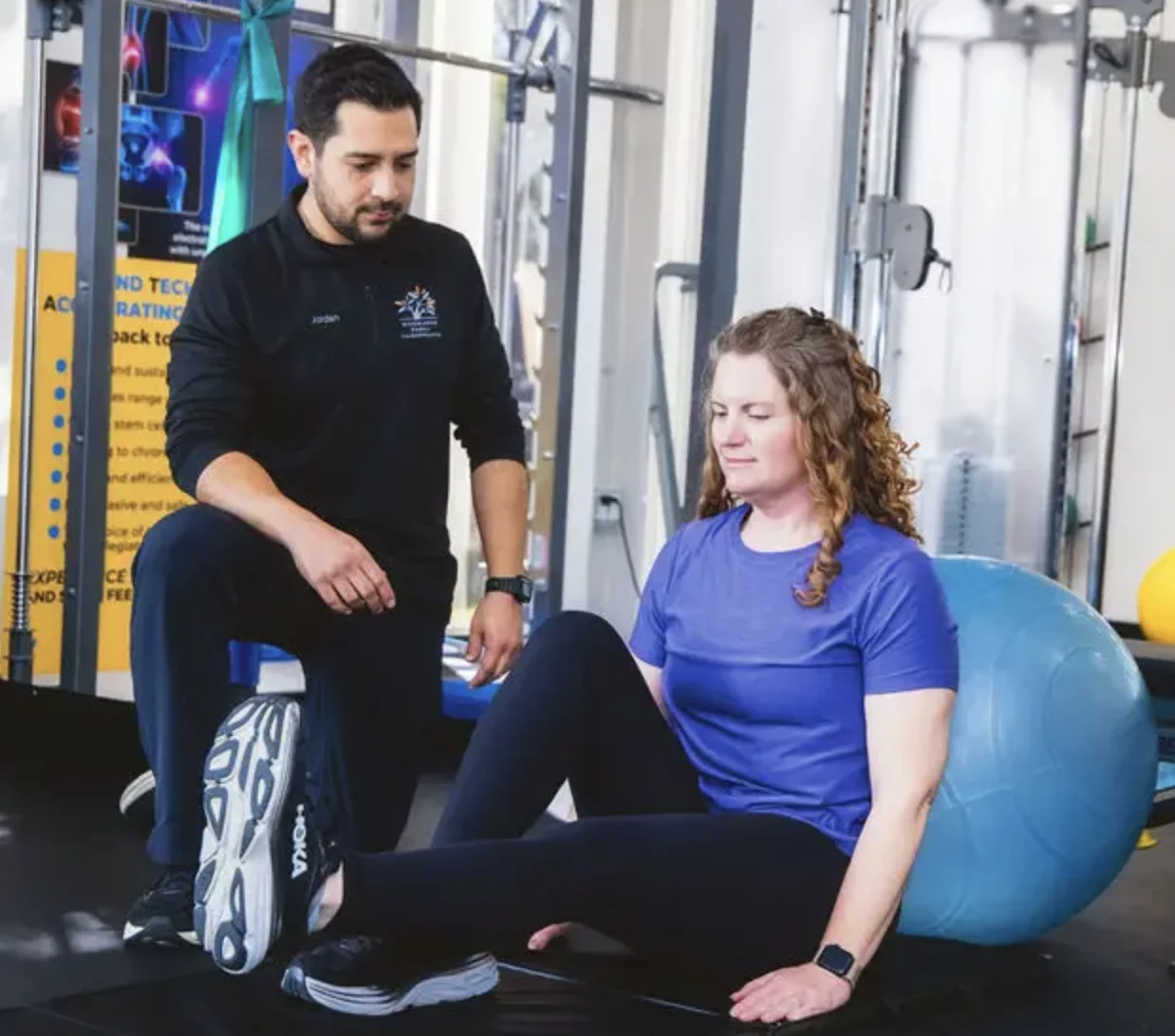
Corrective exercises are chosen according to the movement and capacity needs identified during the evaluation. A program may include lumbar or hip mobility, trunk endurance, hip strength, balance, breathing mechanics, lifting practice, or graded return to recreation. Exercise should progress as tolerance improves and should be adjusted when it causes a sustained increase in symptoms.
Functional Rehabilitation
Functional rehabilitation connects clinic exercises to real-life demands. An office worker may need strategies for sitting tolerance and movement breaks. A nurse or tradesperson may need repeated-lifting capacity. A parent may need confidence with floor transfers and carrying. The plan should prepare the patient for meaningful tasks rather than focusing only on isolated movements.
Spinal Decompression
Spinal decompression uses controlled traction to change loading through the lumbar spine. It may be considered for selected patients when the clinical picture suggests disc-related or nerve-related symptoms and no contraindications are present. It is not automatically indicated for routine localized lower back pain. Patients with progressive neurological symptoms or emergency warning signs require medical evaluation rather than routine decompression care.
Activity Modification and Home Care
Complete bed rest is generally not the goal. Patients may benefit from temporarily modifying aggravating tasks while maintaining tolerable movement. Short walks, position changes, symptom-guided mobility, heat or cold when appropriate, and a gradual return to work or exercise can support recovery. Home recommendations should be practical, specific, and adjusted as symptoms change.
Benefits and Realistic Expectations
The practical goal of care is not simply to lower a pain score for a few hours. A well-designed plan aims to improve movement, restore tolerance for meaningful activities, reduce fear of normal motion, and build self-management skills. Some patients notice changes quickly; others improve gradually depending on symptom duration, underlying condition, work demands, general health, sleep, stress, and consistency with home recommendations.
Appropriate conservative care may help selected patients by:
- Improving tolerance for sitting, standing, walking, lifting, and daily tasks.
- Reducing pain-related stiffness or guarding.
- Supporting a gradual return to work, exercise, and recreation.
- Building strength, mobility, endurance, and confidence through exercise.
- Providing education about pacing, lifting, workstation variation, and symptom monitoring.
- Identifying when referral, co-management, or additional medical evaluation is needed.
Progress should be reviewed using measurable changes such as sleep, walking distance, sitting tolerance, lifting ability, range of motion, and return to valued activities. When care is not producing the expected response, the working diagnosis and next steps should be reconsidered.
Related Conditions: When a More Specific Page Helps
This page focuses on localized lumbar and lumbosacral pain.
Back Pain
The Back Pain page covers upper-, middle-, and general back symptoms.
Sciatica
Sciatica involves radiating nerve-related symptoms, commonly including burning pain, tingling, numbness, or weakness into one leg.
Herniated Disc
A herniated disc may cause localized pain, sciatica, or no symptoms at all.
Neck Pain
Neck pain involves the cervical spine.
Preventing Future Lower Back Pain
Not every episode can be prevented, but improving capacity and reducing repeated overload can lower the chance that minor symptoms become a recurring limitation. Prevention should be practical and individualized rather than built around perfect posture or fear of normal movement.
- Change positions regularly during desk work, driving, or prolonged standing.
- Build walking, lifting, and exercise volume gradually instead of making sudden jumps.
- Use lifting strategies that feel stable and keep the load close when practical.
- Develop trunk and hip strength that matches work, sport, and household demands.
- Use mobility work to maintain comfortable movement rather than forcing painful ranges.
- Allow enough recovery between physically demanding shifts or workouts.
- Prioritize sleep, general physical activity, and stress-management habits.
- Respond to recurring symptoms early, especially if neurological symptoms appear.
What to Expect During Your First Visit
Your first visit is an opportunity to explain what you are feeling, what you have stopped doing, and what you want to return to. The visit generally includes a consultation, review of your health history, and a focused physical examination. Digital X-rays may be recommended when clinically indicated and when the findings may influence care.
After the evaluation, your chiropractor should explain the working diagnosis, whether chiropractic care is appropriate, which services may be included, and what progress will be monitored. You should also understand alternatives, potential risks, expected benefits, and circumstances in which referral or co-management is recommended. Treatment frequency should reflect your needs and response—not a preset schedule applied to every patient.
Why Choose Woodlands Family Chiropractic?
WFC has served The Woodlands community for more than 20 years. The practice provides chiropractic care and corrective rehabilitation using techniques selected for the individual, including Cox Decompression, Activator, Arthrostim, Gonstead, and Diversified methods. The value of that range is not that every patient receives every technique; it allows the clinician to adapt care to the patient’s condition, comfort, health history, and goals.
Patients choose WFC for:
- An experienced chiropractic team serving local individuals and families.
- Comprehensive spinal, neurological, and functional evaluations.
- Personalized, drug-free, non-surgical care options when appropriate.
- Modern chiropractic techniques selected for the individual.
- Corrective rehabilitation and patient education that support active recovery.
- Clear monitoring of symptoms, function, and progress.
- Appropriate referral when symptoms require another level or type of care.
Proudly Serving The Woodlands and Nearby Communities
WFC welcomes patients from The Woodlands, Shenandoah, Oak Ridge North, Spring, Creekside Park, Magnolia, Conroe, and surrounding communities. Whether lower back pain began after an injury, developed gradually during work, or keeps interrupting the activities you enjoy, a local evaluation can help clarify your options.

Schedule Your Lower Back Pain Evaluation
Lower back pain should not force you to plan every day around discomfort. Schedule an appointment with Woodlands Family Chiropractic for a comprehensive evaluation and a personalized plan built around your symptoms, health history, daily demands, and goals. The first step is determining what may be contributing to the pain and whether conservative chiropractic care is appropriate for you.
Frequently Asked Questions
Can a chiropractor help with lower back pain?
Chiropractic care may help some adults with mechanical or nonspecific lower back pain. Care may include adjustments or mobilization, exercise, soft tissue work, activity guidance, and education. Benefits are usually modest, results vary, and an evaluation is needed to determine whether care is appropriate.
What causes lower back pain?
Common contributors include muscle strain, ligament sprain, joint irritation, sacroiliac involvement, repetitive loading, prolonged positions, disc-related problems, reduced strength or mobility, and degenerative changes. Medical conditions can also cause pain, so warning signs should be screened.
Is lower back pain different from sciatica?
Yes. Lower back pain may remain localized to the lumbar region or spread toward the buttock. Sciatica more commonly causes radiating leg pain, tingling, numbness, or weakness, often below the knee.
When should I worry about lower back pain?
Seek medical advice when pain is severe, persistent, worsening, follows trauma, occurs with fever or unexplained weight loss, or includes numbness, tingling, or weakness. New bowel or bladder problems, saddle numbness, or rapidly progressive weakness require emergency care.
How long does lower back pain last?
Many uncomplicated episodes improve over several days to weeks, but recovery varies. Persistent pain may be influenced by the underlying condition, activity demands, sleep, stress, general health, and confidence with movement.
Can chiropractic care help a lumbar muscle strain?
Some patients with mechanical pain related to strain may benefit from a plan that includes movement guidance, manual care, soft tissue methods, and gradual exercise. The evaluation should first rule out conditions that require different care.
What treatments are available for lower back pain?
Options depend on the cause and severity and may include education, activity modification, exercise, chiropractic adjustments or mobilization, soft tissue therapy, medications, physical therapy, injections, or surgery for selected conditions.
Do I need an X-ray for lower back pain?
Not every uncomplicated episode requires imaging. X-rays may be considered when the history and examination suggest they could change care, such as after trauma or when fracture, significant degeneration, or another structural concern is suspected.
When should I seek emergency care?
Seek immediate care for new bowel or bladder dysfunction, saddle-area numbness, rapidly progressive leg weakness, major trauma, fever with severe back pain, severe abdominal symptoms, or other signs of serious illness.